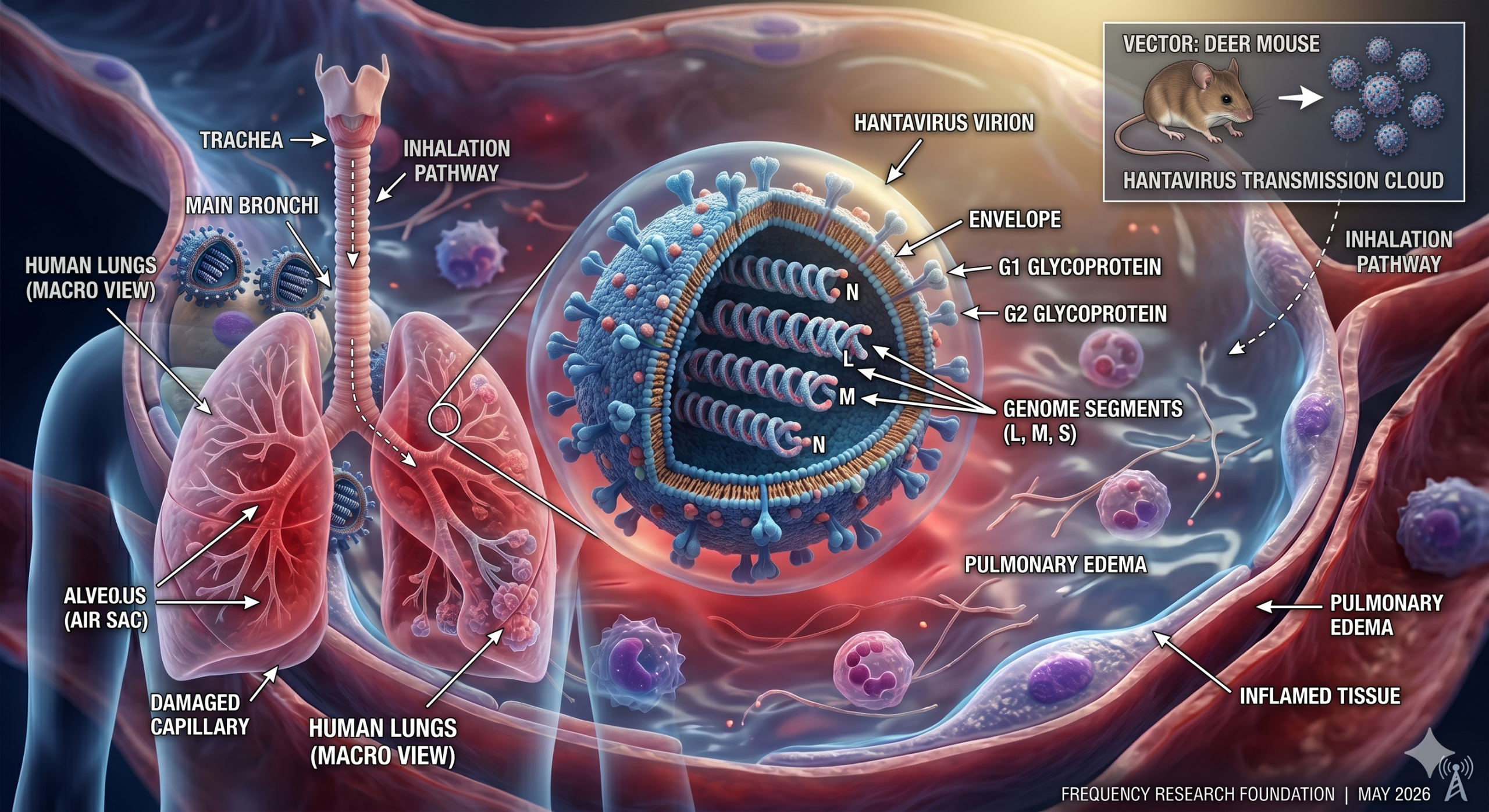
Recent international outbreaks, such as the 2026 Andes hantavirus cluster aboard the MV Hondius cruise ship, remind us that this deadly pathogen remains a persistent threat. While relatively rare, hantavirus pulmonary syndrome (HPS) carries a high mortality rate of approximately 35–40%. Early recognition, prompt medical intervention, and comprehensive prevention strategies remain essential for improving outcomes.
The Silent Threat: What You Need to Know About Hantavirus
Hantavirus is a family of viruses carried primarily by rodents—particularly deer mice in North America—while the Andes virus strain is prevalent in South America. The virus typically spreads to humans through inhalation of aerosolized particles from infected rodent urine, droppings, or saliva. Certain strains, notably the Andes virus, can also spread via limited human-to-human transmission through close and prolonged contact.
The disease can progress rapidly from mild, flu-like symptoms to life-threatening respiratory failure. Recent epidemiological data highlight ongoing concerns: cases continue in the southwestern United States and parts of South America; climate change and urbanization are expanding rodent habitats and potential human exposure; and the virus’s genetic diversity presents challenges for future therapies.
The Clinical Picture: Recognizing the Warning Signs
Hantavirus infection typically progresses through two distinct phases. Awareness of these signs is critical.
Early (Prodromal) Phase (usually 1–5 days after symptom onset)
Symptoms often mimic common viral illnesses:
- Fever and chills
- Severe muscle aches (particularly in the thighs, hips, and back)
- Headaches
- Nausea and vomiting
- Profound fatigue
Cardiopulmonary Phase (typically beginning days 4–10)
The disease may rapidly advance to:
- Shortness of breath
- Fluid accumulation in the lungs (pulmonary edema)
- Cardiovascular shock
- Potential multi-organ failure
The prodromal phase’s similarity to the flu makes early diagnosis challenging. Once respiratory symptoms appear, the condition can deteriorate quickly. Note that the incubation period from exposure to first symptoms is usually 1–8 weeks.
Current Medical Approaches and Their Limitations
There is no FDA-approved specific antiviral treatment for hantavirus. Medical care remains largely supportive, with the goal of keeping patients stable while the immune system clears the virus. Standard protocols include:
- Oxygen therapy and mechanical ventilation
- Careful fluid management to address shock without worsening pulmonary edema
- Extracorporeal membrane oxygenation (ECMO) in the most severe cases
- Experimental antivirals (with limited evidence to date)
These interventions are life-saving but primarily address symptoms rather than the underlying immune dysregulation.
Exploring Complementary Approaches: Frequency and Bioelectromagnetic Medicine
At the Frequency Research Foundation, we are investigating how specific electromagnetic frequencies and pulsed electromagnetic field (PEMF) technologies might serve as complementary tools to support the body’s natural healing processes during severe viral infections.
The Science Behind Bioelectromagnetic Approaches
A substantial body of research explores the effects of electromagnetic fields on biological systems. While no frequency-based devices are currently FDA-approved specifically for the treatment or prevention of hantavirus or HPS, there are thousands of peer-reviewed studies on PubMed examining PEMF and related bioelectromagnetic therapies for their potential effects on cellular communication, inflammatory responses, and tissue repair. Additionally, certain FDA-approved technologies—such as Novocure’s Tumor Treating Fields (TTFields) used in the treatment of specific cancers—demonstrate that precisely controlled electric fields can influence cellular processes in clinically meaningful ways, as shown in published oncology research.
Emerging research in this broader field suggests possible supportive mechanisms that warrant further investigation:
- Cellular Communication and Repair — Frequencies may influence membrane potential and ion channel function, potentially supporting cellular integrity.
- Modulation of Inflammatory Responses — Certain fields may help regulate cytokine production, which could theoretically aid in balancing immune responses during severe infections.
- Enhancement of Microcirculation — Improved blood flow and oxygen delivery might assist in reducing hypoxia and supporting natural recovery processes.
Research-Based Frequency Protocols Under Investigation
Our preliminary, in-house research has identified frequency ranges of interest for complementary use:
- Cellular repair frequencies (1–100 Hz)
- Immune modulation frequencies (100–1000 Hz)
- Circulation enhancement frequencies (1–50 Hz)
Important Note: These approaches remain investigational for viral infections such as HPS. Frequency and PEMF technologies should always be used strictly as a complementary measure alongside conventional medical care, particularly in life-threatening conditions. They are not a substitute for emergency medical treatment, and individuals should consult their physicians before use.
Prevention: Your First Line of Defense
Prevention remains the most effective strategy. Follow these evidence-based steps recommended by public health authorities:
Environmental Controls
- Seal structural entry points to prevent rodent access.
- Store food properly and clean up immediately.
- Remove nesting materials (brush piles, wood stacks) near buildings.
- When cleaning contaminated areas, wear appropriate PPE and use wet-mopping with bleach solutions—never sweep or vacuum, which can aerosolize particles.
High-Risk Activity Precautions
- Choose camping/hiking sites away from rodent signs.
- Wear HEPA-filter respirators during construction, farming, or pest-control work.
- Ventilate enclosed spaces thoroughly when cleaning basements, attics, or sheds.
The Future of Hantavirus Management
Conventional supportive care in specialized medical settings saves lives. At the same time, continued research into bioelectromagnetic and frequency-based approaches—building on the extensive PEMF literature and approved technologies in other fields—may one day offer additional supportive tools. We remain committed to rigorous, evidence-based exploration of these complementary methods.
Take Action: Your Health, Your Choice
If you have been exposed to hantavirus risk factors or are interested in learning more about complementary supportive strategies, the Frequency Research Foundation offers consultations that focus on integration with conventional care. Our process includes:
- A comprehensive health assessment
- Discussion of individualized, investigational frequency protocols
- Guidance on safe combination with standard medical treatment
Schedule a consultation with Dr. Sutherland and our team.
Conclusion: A Balanced Approach to Viral Disease Management
Hantavirus remains a serious threat, but informed prevention, rapid conventional medical care, and thoughtful exploration of complementary tools can help protect communities. We encourage readers to prioritize evidence-based strategies while staying open to emerging research in supportive therapies. Your health is your most valuable asset—invest in it wisely through prevention, professional medical care, and informed complementary choices.
Disclaimer: This information is for educational purposes only and is not intended to diagnose, treat, cure, or prevent any disease. Hantavirus is a severe medical emergency. There are no FDA-approved frequency or PEMF devices specifically for hantavirus or HPS. Always seek immediate care from qualified healthcare providers. Frequency-based approaches discussed here are investigational and must be used only as a complement to—not a replacement for—standard medical treatment. Consult your physician before considering any complementary therapy.