Skip to content

Frequency Foundation

Twice the Energy with Half the Stress

Aging is Optional: An Updated, Practical Playbook for Longevity

Aging is Optional is our plain-spoken guide to what the latest science means for everyday longevity. This update takes ideas that often feel abstract and shows how to use them responsibly. We look at cellular reprogramming with OSK, epigenetic clocks and DNA methylation, and 40Hz stimulation, then translate those signals into a simple plan you can follow without hype. If you want the full chapter, you can read it inside TEHS on Leanpub.

What’s new is a focus on decisions people can actually make. We treat cellular reprogramming as engineering, not magic, noting partial cycles and where caution belongs. Biological age isn’t a vanity score; epigenetic clocks and DNA methylation show progress and meaningful change. 40Hz protocols aren’t a silver bullet; we show where evidence is strongest, set expectations, and explain how to measure change.

If you prefer guidance rather than going alone, Frequency Research Foundation offers a complete path that matches the chapter. We begin with AI supported age assessment to give you a baseline and a way to see change over time. Before you start, check your FaceAge at NOVOS and save that baseline so you can track progress. We design frequency-based rejuvenation protocols aligned with these mechanisms and adjust them regularly based on results. Book a consultation to shape a careful, measurable, personal plan.

People often ask who this is for. The honest answer is anyone who wants a responsible approach to longevity. If you are curious, we will help you set expectations and define what success means before you begin. In case you are skeptical, we will show you how to create guardrails and collect evidence so you can make decisions with confidence. If you are already working on your health, we will help you bring the pieces together so that your efforts build on each other rather than compete.

Aging is Optional is not a promise. It is a way to think clearly and act carefully. Read the update in TEHS on Leanpub here. If you want support, we are ready to help with assessments and one to one consultations. When you combine a clear model with honest measurement, you give yourself the best chance to feel better, think better, and stay younger for longer.

Vanishing Y Chromosome: How mLOY Impacts Men’s Health

Once merely seen as the determinant of biological sex, the Y chromosome is now emerging as a key player in men’s overall health. Mosaic loss of the Y chromosome (mLOY), the gradual disappearance of the Y chromosome from a subset of blood cells, poses serious health implications for aging men, potentially contributing to the stark lifespan gap between men and women.

Want to dive deeper? Listen to our related Spotify podcast exploring the connection between genetic aging and disease.

Understanding mLOY and Its Prevalence

The Y chromosome, fully sequenced only in 2023, is one of the smallest chromosomes, but it holds essential genes that regulate critical cellular processes beyond reproduction. mLOY occurs as men age, becoming significantly more common in older populations:

  • ~6% prevalence in men aged 50-60
  • Over 40% prevalence in men aged 80+

Primary risk factors include aging, smoking, and exposure to environmental toxins like air pollution and arsenic.

How mLOY Impacts Health

Emerging evidence strongly links mLOY to serious health concerns:

1. Compromised Immune Function
mLOY weakens the immune system by altering the expression of hundreds of immune-related genes. This makes men more susceptible to diseases, especially cancer, as Y-less cells produce proteins that impair critical immune responses.

2. Increased Fibrosis and Chronic Inflammation
Studies in mice reveal that cells lacking the Y chromosome promote fibrosis (scarring) in vital organs like the heart and lungs, fueling chronic inflammation linked to diseases such as heart failure and kidney disease.

3. Disrupted Gene Regulation
The loss of the Y chromosome removes vital genes like UTY, leading to extensive changes in gene regulation and contributing to broader genomic instability.

Health Risks Associated with mLOY

Research highlights alarming associations between mLOY and increased risks across various diseases:

  • Cancer: Men with mLOY have higher rates of bladder, prostate, and lung cancers. Tumors lacking the Y chromosome grow faster and are more aggressive, partly due to impaired immune surveillance.
  • Cardiovascular Disease: mLOY significantly increases the risk of heart disease, atrial fibrillation, and fatal heart attacks, with up to a 31% higher risk for those with extensive Y chromosome loss.
  • Neurodegenerative Diseases: There’s an increased likelihood of Alzheimer’s disease, with studies indicating a sevenfold higher risk in men experiencing substantial Y chromosome loss.
  • Other Conditions: Higher susceptibility to acute infections, infertility, and overall higher mortality rates.

Debates in the Scientific Community: Causation or Correlation?

While there’s robust data linking mLOY to health problems, the debate persists on whether mLOY is a direct cause or simply a marker of broader genomic instability. Despite arguments suggesting mLOY might be an incidental effect of aging-related DNA damage, animal studies and recent clinical data increasingly support direct causal relationships.

Future Directions and Possible Interventions

Considering the severity of mLOY’s impact, researchers advocate for:

  • Regular Screening: Identifying mLOY through simple blood tests to pinpoint high-risk individuals.
  • Potential Treatments: Exploring antifibrotic therapies and immune checkpoint inhibitors, particularly for cancers associated with Y chromosome loss.
  • Lifestyle Adjustments: Reducing smoking, limiting exposure to toxins, and exploring dietary and sleep interventions to potentially slow mLOY progression.

Senescent cell-targeting therapies, like those used in our Reverse Aging Program, may help restore function in tissues affected by mLOY-related cellular damage.

Final Thoughts for the Y chromosome loss

The discovery of mLOY marks a significant turning point in understanding men’s health. With ongoing research, addressing this hidden threat could drastically improve health outcomes and longevity in men.

The Elixir of Life Hidden in Breast Milk

At Frequency Research Foundation, we believe the body holds more secrets than modern medicine has yet uncovered. A recent Radiolab podcast, “Elixir of Life,” takes this idea to a new level, tracing a biological mystery that begins with babies, breast milk, and an indigestible sugar, and ends in a revelation that has life-and-death consequences for families everywhere.

An Ingredient Babies Can’t Digest?

You read that right. Human breast milk contains complex sugars, called human milk oligosaccharides (HMOs), that infants can’t digest. For years, scientists wondered why nature would include an ingredient with no direct nutritional value for babies. The answer, as researchers discovered, is both ancient and urgent.

Why Is This Important?

Consider what happened at Queen’s Medical Centre in Nottingham, UK. Each year, twelve newborns at this hospital suffered life-threatening infections, three of whom did not survive. When researchers discovered that the “elixir of life” in breast milk was indigestible by infants, they asked a crucial question: Who, or what, is this nutrient truly for?

After testing thousands of bacteria, they identified a single strain, Bifidobacterium longum infantis, as the key. This microbe consumes the “elixir,” flourishes in the infant gut, and forms a protective barrier in the intestines that prevents deadly infections. When doctors began giving this beneficial bacteria to vulnerable infants, the results were remarkable: not a single baby died from these infections.

But then, the FDA intervened. After one isolated, non-life-threatening case of this bacteria entering a baby’s bloodstream, regulators demanded clinical trials that would take years and millions of dollars, forcing doctors to halt this life-saving intervention. As a result, the following year, several more infants died at the same hospital.

Now, expand this tragedy nationwide. The U.S. has over 6,000 hospitals, and about 4,000 with maternity wards. If just three babies at each of these hospitals die each year from infections that could be prevented by restoring this natural, evolutionary partnership, that is up to 12,000 infants lost annually—all because of unnecessary regulatory delays. Meanwhile, the United States has the worst infant mortality rate in the developed world, despite spending twice as much on healthcare, a reality perpetuated by bureaucratic hurdles and the influence of special interests.

This is not just a statistic. These are thousands of lives that could be saved by simply returning to the wisdom of nature, by supporting the biological partnerships that evolution designed for our survival.

Feeding the Right Microbes

The real consumers of HMOs are beneficial gut bacteria, particularly one strain: Bifidobacterium longum infantis. These microbes play a critical role in shaping an infant’s immune system and gut health. Without them, early development may be compromised. This symbiotic relationship is a natural evolutionary design, but it’s one we’re starting to lose.

A Disappearing Microbiome

In communities like the U.S., C-sections, antibiotics, and formula feeding have disrupted the microbiome transfer that used to occur naturally between mothers and babies. In fact, some babies in the U.S. may not carry any of the infantis strain at all. Meanwhile, rural communities, such as Mennonite populations, still pass it on at high rates.

Global Hunt for a Solution

Doctors and researchers have gone worldwide, from Bangladesh to California, to understand where B. infantis still thrives and how it could be restored. Their goal: reintroduce this ancient bacteria into infants’ guts to reestablish the vital early bond between human milk and microbial health.

Ancient Biology Meets Modern Risk

The implications are vast. This isn’t just about baby digestion, it’s about immune system resilience, lifelong metabolic health, and possibly even mental well-being. Losing B. infantis means losing a partner our bodies have evolved with for thousands of years.

Why Frequency Research Foundation Cares

This episode mirrors our core belief: true health comes from understanding, and restoring, natural biological systems that support the body. When modern interventions disrupt them, we need to rethink our approach from the ground up.

Personalized Healing Starts with Understanding

Just as Frequency Research Foundation uses frequency-based therapies to restore balance, the lesson here is the same: healing often lies in restoring what was always meant to be there. Understanding how breast milk interacts with the microbiome is one powerful example.

A Symbiotic Call to Action

Rather than dismissing “indigestible” ingredients, science is learning to ask better questions. What else in the human body might serve hidden, essential roles we don’t yet recognize? This is the mindset we champion.

What You Can Do

The time for action is now. Please call, write, or communicate with Secretary of Health Robert Kennedy’s office and urge him to prioritize infant health. The lives of thousands of newborns each year depend on our willingness to challenge bureaucratic barriers and restore the partnership between biology and medicine.

The U.S. can, and must, do better for its children.

Explore More

This Radiolab episode is a reminder that innovation often means returning to first principles—and listening to what our biology has been saying all along. You can listen to the full episode, “Elixir of Life,” on Spotify here.

Want to dive deeper into personalized health solutions? Book a consultation with Frequency Research Foundation today.

Ice Cream and Longevity: Exploring the Surprising Benefits of High-Fat Diets with the Frequency Research Foundation

In the quest for longevity, the Frequency Research Foundation uncovers an unconventional yet intriguing dietary strategy. Imagine the joy of savoring high-fat ice cream, now linked with the science-backed benefits of certain supplements and medications known for promoting health and extending life.

The Science Behind Ice Cream and Longevity

Recent discussions led by the renowned scientist David Sinclair shed light on the complex relationship between dietary fats and the longevity-enhancing effects of specific supplements. Sinclair emphasizes that resveratrol, a compound celebrated for its anti-aging properties, achieves its full potential when consumed alongside dietary fats. This insight pairs well with the benefits of metformin, a diabetes medication noted for its positive influence on longevity.

Harnessing the Power of Resveratrol and Metformin

The Frequency Research Foundation introduces a delightful and practical application of these findings. By combining Tillemook chocolate ice cream (a tested and effective choice) with resveratrol supplements, we’ve devised a palatable method to enhance the compound’s absorption and efficacy. The procedure is simple: sprinkle two capsules of resveratrol powder over your ice cream and enjoy it with metformin. This not only makes supplement intake more pleasurable but also leverages the fat in ice cream to boost resveratrol’s benefits.

Monitoring with Glucose Watches

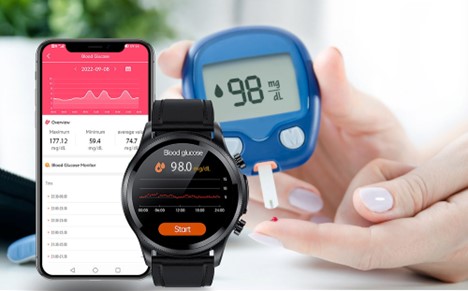
Despite the appeal, the thought of regularly indulging in ice cream might raise concerns about blood sugar and overall health. This is where modern health monitoring technology, such as glucose watches, comes into play. These wearable devices provide real-time blood sugar level monitoring, enabling individuals to enjoy their ice cream in moderation while maintaining health benefits.

ice cream and longevity-b

A Balanced Approach to Diet and Longevity

This novel approach marries indulgence with health, challenging traditional dietary restrictions associated with longevity. It underscores the possibility of enjoying life’s pleasures without compromising on health goals, provided we’re equipped with the right knowledge and tools.

Consultation Is Key

Before embarking on any significant dietary or medication changes, especially those involving prescription drugs like metformin, consulting healthcare professionals is crucial. Tailoring these strategies to individual health profiles ensures safety and effectiveness.

Conclusion: A Scoop Closer to Longevity

The Frequency Research Foundation’s innovative findings invite us to reconsider the role of dietary pleasures in a strategic approach to longevity. By blending delicious treats with scientifically supported supplements and closely monitoring the body’s response, we edge closer to unlocking the secrets of aging. Perhaps, with each scoop of ice cream, we’re not just indulging in a moment of joy but also taking a step toward a longer, healthier life.

References

The TEHS Framework: Doubling Your Energy and Halving Your Stress to Achieve Longevity

Stress is a fact of life that can impact our health and well-being in profound ways. Prolonged stress can lead to various physical and mental health issues, including cardiovascular disease, anxiety, depression, and reduced life expectancy. In contrast, reducing stress and increasing energy levels can promote longevity and a higher quality of life. In this blog post, we will discuss the TEHS framework, which aims to double your energy and halve your stress, as well a new paper’s findings on how reducing stress can improve longevity.

The TEHS Framework: Doubling Your Energy and Halving Your Stress

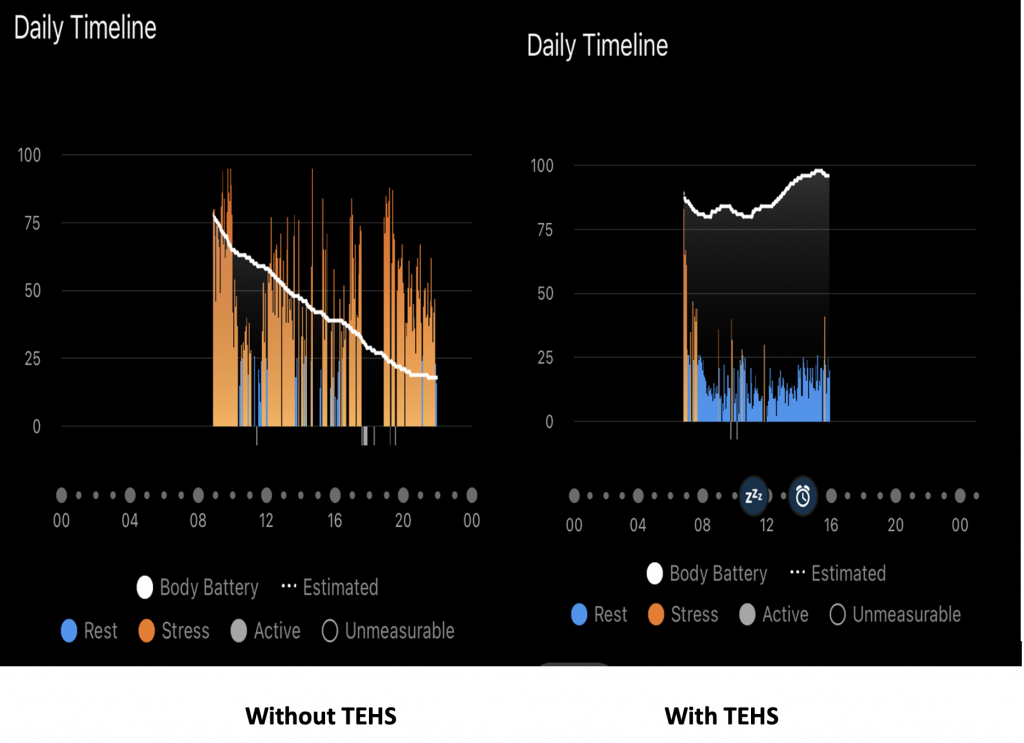
TEHS uses the Garmin Watch Body Battery data developed by FirstBeat.com to enhance the performance of Olympic athletes. We measure energy levels vs stress levels throughout the day. This gives us biofeedback we can use to increase energy and lower stress to increase health and wellness and improve longevity.

The TEHS framework is designed to help individuals increase their energy levels and reduce their stress to improve their overall well-being. The framework focuses on seven key areas:

  1. Photoanalysis Remote Rife Clinic Frequencies: to clear allergens, toxins and pathogens while increasing minerals and vitamins and balancing hormones is a critical component for lowering stress.
  2. Nutrition: Eating a balanced, nutrient-dense diet that supports the body’s functions and promotes overall health.
  3. Exercise: Developing a personalized exercise routine that focuses on improving cardiovascular fitness, strength, flexibility, and balance.
  4. Sleep: Emphasizing the importance of quality sleep for physical recovery and mental clarity.
  5. Stress management: Teaching stress management techniques, such as mindfulness, meditation, or deep-breathing exercises, which can help people become more aware of their stressors and learn how to cope with them effectively.
  6. Mental health: Encouraging individuals to seek professional help if needed and maintain a strong support system to ensure mental well-being.
  7. Time management and work-life balance: Assisting individuals in setting realistic goals, prioritizing tasks, and developing a healthy work-life balance to minimize burnout and increase overall satisfaction and energy levels.

By incorporating these aspects into the TEHS framework, individuals can increase their energy levels, reduce their stress, improve their overall well-being, and extend their healthspan.

Reduced Stress Improves Longevity: Insights from Cell Metabolism

A recent study published in the journal Cell Metabolism found that reducing stress can improve longevity. The study, which used a mouse model, showed that mice with reduced levels of the stress hormone cortisol lived longer than those with higher levels of cortisol. Additionally, the study found that the mice with reduced cortisol levels had fewer age-related diseases and a better quality of life.

These findings suggest that reducing stress levels can have a significant impact on our health and longevity. While the study was conducted on mice, its implications for human health are significant.

Reducing stress can help individuals reduce the risk of various chronic diseases, including cardiovascular disease, diabetes, and cancer. Stress can also impact our mental health, leading to anxiety, depression, and other mental health issues.

Conclusion

The TEHS framework provides a comprehensive approach to improving energy levels and reducing stress. By focusing on nutrition, exercise, sleep, stress management, mental health, and work-life balance, individuals can improve their overall well-being and quality of life. Additionally, the paper’s findings highlight the importance of reducing stress levels for promoting longevity and a better quality of life. By incorporating the TEHS framework into our daily lives, we can take control of our health and achieve a long and fulfilling life.

References

  • Gladyshev, V. N., & Gorbunova, V. (2020). Stress and aging: a new paradigm. Cell, 181(2), 283-298.
  • Ferrucci, L., Fabbri, L., & Ventura, M. (2020). Stress and aging: from molecular mechanisms to clinical implications. Nature Medicine, 26(11), 1637-1648.
  • McEwen, B. S. (2020). The neuroepigenetics of stress and aging. Nature Neuroscience, 23(1), 11-19.
  • Lupien, S. J., McEwen, B. S., Gunnar, M. R., & Heim, C. (2009). Effects of stress on brain structure and function. Annual Review of Neuroscience, 32, 71-95.
  • Sapolsky, R. M. (2004). Why zebras don’t get ulcers: a guide to stress, stress-related diseases, and coping. New York: W. H. Freeman.

Lengthen Your Telomeres – The Biggest Antiaging Breakthrough in the Last Decade

The Nobel Prize in Physiology or Medicine 2009 was awarded jointly to Elizabeth H. Blackburn, Carol W. Greider and Jack W. Szostak “for the discovery of how chromosomes are protected by telomeres and the enzyme telomerase”.
 
In October 2016 I visited Dr. Grossman’s lab to get telomere lengths tested. A telomerase program I developed was running for several weeks prior to the visit. More later when I get lab tests back.
 
In 2016, Dr. Grossman recommends a new supplement TeloSC from MaxLife Solution as the best and least expensive option that provides stem cell support as well as telomere enhancement.

When I visited Dr. Grossman’s medical clinic in 2012 extensive testing determined that my biological age was 27 years younger than my calendar age. I asked Dr. Grossman what the biggest breakthrough was in antiaging since my previous visit 6 years earlier. He said TA65, a supplement that costs $500 a bottle.Dr. Al Sears put me on to TA65 years earlier and he has been working on a supplement that costs less than half as much that works a lot better. Lengthening your telomeres could improve your health and performance and give you another 20 years on your life which is long enough to capture the next wave of longevity technology. See Kurzweil and Grossman’s book, Fantastic Voyage: Live Long Enough to Live Forever. But first, let’s look at the Genetic Learning Center at the University of Utah and learn a little bit about why telomeres are so important.
are_telomeres_the_key_to_aging_and_cancer

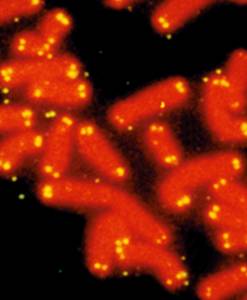
Fluorescence-stained chromosomes (red) on a microscope slide.
Telomeres (yellow) sit at the ends of each chromosome.
Photo courtesy of Dr. Robert Moyzis, UC Irvine, US Human Genome Program

Inside the nucleus of a cell, our genes are arranged along twisted, double-stranded molecules of DNA called chromosomes. At the ends of the chromosomes are stretches of DNA called telomeres, which protect our genetic data, make it possible for cells to divide, and hold some secrets to how we age and get cancer.
Telomeres have been compared with the plastic tips on shoelaces, because they keep chromosome ends from fraying and sticking to each other, which would destroy or scramble an organism’s genetic information.
Yet, each time a cell divides, the telomeres get shorter. When they get too short, the cell can no longer divide; it becomes inactive or “senescent” or it dies. This shortening process is associated with aging, cancer, and a higher risk of death. So telomeres also have been compared with a bomb fuse. For more see Learn Genetics …

I’ve been working with Dr. Al Sears new supplement Telo-Essence II for the past couple of months. He claims it is 100 times better than the TA65 which I have been taking for several years. What I can report is that it has a significantly bigger impact on energy level and physical performance.

For me, the number one antiaging strategy today, based on Nobel Prize level research is lengthening your telomeres and Dr. Sears has got this figured out. You can get Telo-Essence II here. You will need to scroll down when you reach the link. I continue to use this in conjunction with TeloSC.


Pseudoscience: Rampant in Modern Medicine

Much of today’s medical information is distorted by business interests. With billions of dollars at stake, anything can be distorted and information is often suppressed about cheap, effective solutions, in favor of expensive medications with marginal benefit. Resveratrol issues are only the tip of a very large iceberg.

How Modern Medicine Obfuscates Resveratrol Science

Marketing a resveratrol-based dietary supplement has given me a front-row seat to view how modern medicine obfuscates science and throws in other roadblocks to indefinitely delay public acceptance of a truly miraculous natural molecule.

Examination of events and published studies involving the red wine molecule resveratrol (rez-vair-a-trol) over the past decade reveals nine ways modern medicine has attempted to muddy the science and delay public adoption of this natural molecule as an affordable dietary supplement.
This investigation reveals that researchers (a) intentionally employ overdoses of resveratrol in laboratory studies to produce negative or null results; (b) absurdly claim resveratrol is not biologically available when systemic results have been widely reported in animals and humans; (c) rigidly assert a single-gene target (Sirtuin1) is responsible for most of the health benefits produced by resveratrol when aging and chronic disease involves many genes; (d) doggedly pursue development of synthetic resveratrol-like molecules (analogs) in a futile attempt to produce a blockbuster drug; (e) ignore evidence that resveratrol works better at lower doses (hormesis); (f) continue to ignore an available resveratrol dietary supplement that has been demonstrated to produce health benefits in the animal lab and humans greater than a resveratrol-based drug that sold to a major drug company for $720 million; (g) launch false allegations against resveratrol researchers who conduct studies involving branded resveratrol dietary supplements; (h) produce faulty science with flawed conclusions; and finally (i) simply fail to prescribe or recommend resveratrol to needy patients.
Some of the efforts to obfuscate the science surrounding resveratrol are almost laughable as one study found efforts to alter its molecular structure in order to produce a patentable blockbuster resveratrol-like drug were futile. After molecular side chains are added to resveratrol they are efficiency removed during liver metabolization and return to native resveratrol.
Another absurdity is the false assertion resveratrol is not biologically available due to its attachment to detoxification molecules as it passes through the human liver while animal and human studies document profound systemic health benefits.
Hyperlinking permits presentation of published reports and events that can be checked by readers themselves.

Resveratrol: Life extension effects

When an item makes the New York Times, it becomes part of the historical record. In biological sciences, the journal Nature serves a similar purpose. The definitive article on resveratrol’s life extending effects appeared in Nature this month.

Resveratrol improves health and survival of mice on a high-calorie diet
Nature 444, 337-342 (16 November 2006) doi:10.1038/nature05354; Received 10 August 2006; Accepted 19 October 2006; Published online 1 November 2006
Joseph A. Baur, Kevin J. Pearson, Nathan L. Price, Hamish A. Jamieson, Carles Lerin, Avash Kalra, Vinayakumar V. Prabhu, Joanne S. Allard, Guillermo Lopez-Lluch, Kaitlyn Lewis, Paul J. Pistell, Suresh Poosala, Kevin G. Becker, Olivier Boss, Dana Gwinn, Mingyi Wang, Sharan Ramaswamy, Kenneth W. Fishbein, Richard G. Spencer, Edward G. Lakatta, David Le Couteur, Reuben J. Shaw, Placido Navas, Pere Puigserver, Donald K. Ingram, Rafael de Cabo and David A. Sinclair

Abstract

Resveratrol (3,5,4′-trihydroxystilbene) extends the lifespan of diverse species including Saccharomyces cerevisiae, Caenorhabditis elegans and Drosophila melanogaster. In these organisms, lifespan extension is dependent on Sir2, a conserved deacetylase proposed to underlie the beneficial effects of caloric restriction. Here we show that resveratrol shifts the physiology of middle-aged mice on a high-calorie diet towards that of mice on a standard diet and significantly increases their survival. Resveratrol produces changes associated with longer lifespan, including increased insulin sensitivity, reduced insulin-like growth factor-1 (IGF-I) levels, increased AMP-activated protein kinase (AMPK) and peroxisome proliferator-activated receptor-gamma coactivator 1alpha (PGC-1alpha) activity, increased mitochondrial number, and improved motor function. Parametric analysis of gene set enrichment revealed that resveratrol opposed the effects of the high-calorie diet in 144 out of 153 significantly altered pathways. These data show that improving general health in mammals using small molecules is an attainable goal, and point to new approaches for treating obesity-related disorders and diseases of ageing.