Skip to content

Frequency Foundation

Twice the Energy with Half the Stress

Three Ancient Prayers, Three Modern Solutions

Jeff Sutherland, Ph.D., Chief Scientist, Frequency Research Foundation

March 14, 2026

For twenty-five centuries, practitioners of the Metta (loving-kindness) tradition have recited three aspirations that distill the entirety of human well-being into thirty words:

May all beings be healthy.

May all beings be happy.

May all beings be at peace.

These are not idle wishes. They are a diagnostic framework — an ancient recognition that human flourishing requires three distinct conditions, each building upon the last. You cannot be happy if you are not healthy. You cannot be at peace if you are not happy. And peace, once attained, feeds back to sustain both health and happiness in a self-reinforcing cascade.

What has changed in 2026 is that we now have operational tools — not just philosophies — to address all three. Each aspiration has found its modern instrument.

Pillar 1: May All Beings Be Healthy — FRF Technology

Health is the foundation. Without it, the other two aspirations remain theoretical.

At the Frequency Research Foundation, we have spent over two decades developing precision bioresonance protocols that target pathogens, support immune function, amplify beneficial molecules, and eliminate toxins — all non-invasively, using frequencies calculated to eight decimal digits of precision from molecular weights and Boehm DNA resonance mathematics.

Meanwhile, PubMed alone indexes approximately 4,500 new biomedical papers every day. No human clinician can read them, nor can any human mind integrate them. However, AI can—and does. Our white papers now synthesize the latest research into actionable frequency protocols within hours of publication. Consequently, these protocols cover everything from SARS-CoV-2 variants and ALS to arterial plaque and testosterone optimization.

The core methodology is straightforward:

  • Full-body biosense scans identify specific pathogen signatures, inflammatory markers, and tissue imbalances.
  • AMPLIFY frequencies (calculated via mass-energy equivalence, f=mc²/h) send supportive signals for beneficial compounds — NMN, resveratrol, glutathione, vitamin D, BDNF.
  • BLOCK frequencies (Boehm mass-based molecular resonance) disrupt harmful substances — inflammatory cytokines, heavy metals, excess cortisol.
  • Multi-layered protocols address dysregulation, treatment support, immune stimulation, cellular regeneration, and toxin elimination simultaneously.

This is personalized medicine at its most precise. Not a one-size-fits-all prescription, but an individualized frequency set derived from your body’s own bioenergetic signatures, updated continuously as your health evolves.

The prayer says all beings. The technology is inherently democratic — frequency protocols can be transmitted remotely, cost almost nothing to replicate, and require no pharmaceutical supply chain. Health, liberated from the bottleneck of expensive interventions and limited clinical access.

Pillar 2: May All Beings Be Happy — The TEHS Scrum Framework

Health is necessary but not sufficient. A healthy body housing an exhausted, stressed, purposeless mind is not a happy person.

The TEHS Framework, Twice the Energy with Half the Stress, was developed by embedding health optimization inside the Scrum framework that I co-created for software development and later extended to every domain of human performance. The insight was simple: if Scrum can double the output of a software team in half the time, why not apply the same iterative, data-driven approach to the most important project of all — your own life?

TEHS works like this:

  1. Measure continuously. Modern wearables (Garmin with Firstbeat analytics) capture 1,000 data points per second, 24/7 — heart rate variability, stress levels, sleep quality, recovery status, VO2, respiration, training load. This is your personal Sprint backlog of physiological data.
  2. Iterate daily. Each day is a micro-Sprint. Review yesterday’s biofeedback. What raised your stress? What restored your energy? Adjust today’s behavior — sleep timing, exercise type, nutrition, frequency sessions — based on data, not guesswork.
  3. Retrospect weekly. Every week, examine the trends. Are you gaining energy? Is stress declining? Are you recovering faster? The Scrum retrospective, applied to your own physiology, creates a compound improvement curve that is startlingly fast.
  4. Develop purpose. This is where TEHS transcends mere biohacking. The Scrum framework demands a Sprint Goal — a reason for the work. In TEHS, that reason is your purpose in life. Double energy and half stress are not ends in themselves. They are the fuel and the clarity that allow you to pursue what matters most to you. Purpose is the engine of happiness.

The results are measurable and reproducible: practitioners report doubled energy levels, halved stress markers, improved sleep, enhanced cognitive performance, and — critically — a renewed sense of direction and meaning. Happiness is not a feeling that arrives by accident. It is an outcome that can be engineered through disciplined, iterative self-improvement.

Pillar 3: May All Beings Be at Peace — Dhatu Pariksha Frequencies and Śūnyatā

Peace is the deepest aspiration — and the hardest to operationalize. We can measure health through biomarkers. Furthermore, we can track happiness in energy and stress curves. But peace?

Today we published a white paper that, unexpectedly, solves this problem.

The Dhatu Pariksha frequency protocol was designed to regenerate the Seven Dhatus (Sapta Dhatus) — the seven fundamental body tissues recognized by Ayurvedic medicine for over 3,000 years: Rasa (plasma), Rakta (blood), Mamsa (muscle), Meda (fat), Asthi (bone), Majja (nerve/marrow), and Shukra (reproductive tissue). Each Dhatu transforms sequentially from the previous one, in a cascade of dependent origination that nourishes the entire organism.

Our protocol upgrades this ancient system with modern molecular precision: NAD+ for universal cellular rejuvenation (Sinclair’s sirtuin research), BDNF for neural regeneration, glutathione for detoxification, Boehm mass-based blocking for inflammatory cytokines and heavy metals — all calculated to eight-digit precision and delivered through the F100 frequency generator.

But here is what we did not expect: the architecture of the Dhatu protocol is itself a physiological expression of Śūnyatā — the Buddhist concept of emptiness.

Śūnyatā (शून्यता) is not nihilistic void. It is the recognition that nothing exists independently — everything arises through dependent origination. And the Seven Dhatus are precisely this: no tissue exists in isolation. Each arises from transformation of the previous. Each is simultaneously product, process, and nutrient for the next. The cascade is the reality. There is no fixed, independent “muscle” or “bone” — there is only the flowing transformation of Ahara Rasa (nutrient essence) through seven interdependent states.

When our five-layer frequency protocol operates on this cascade:

  • Layer 1 dissolves accumulated blockages (Ama) — the physiological equivalent of releasing attachment to fixed patterns.
  • Layers 2–3 restore the sequential flow of Dhatu transformation — re-establishing dependent origination at the tissue level.
  • Layer 4 activates epigenetic repair via NAD+/sirtuins — the molecular substrate of impermanence and renewal.
  • Layer 5 eliminates heavy metals and toxins that create rigidity in neural and bone tissues.

Reverse Aging and Sinclair Labs

The Dhatu Pariksha frequencies have been integrated into our Reverse Aging program, where they directly incorporate science developed at David Sinclair’s laboratory at Harvard Medical School.

Sinclair’s pioneering work on NAD+ repletion and sirtuin activation — demonstrating that age-related decline in mitochondrial function can be reversed across muscle, bone, neural, and reproductive tissues — provides the molecular foundation for Layer 4 of our protocol. The NMN, resveratrol, and NAD+ amplification frequencies in our Dhatu protocol are calculated directly from the molecular weights of the compounds central to Sinclair’s work, translated into precision frequencies via mass-energy equivalence (f=mc²/h) at eight-digit accuracy.

As a Friend of Sinclair Labs, the Frequency Research Foundation financially supports this ongoing research. This is because we believe the convergence of bioresonance frequency delivery with cutting-edge epigenetic science represents the future of regenerative medicine.

As a result, the body-mind system is freed from inflammatory rigidity and restored to dynamic flow. In this state, the system opens to the natural regenerative intelligence that operates once obstructions are removed. Consequently, practitioners report states of deep stillness, mental clarity, the dissolution of habitual tension patterns, and a spontaneous deepening of contemplative practice.

This is Śūnyatā experienced somatically. Not as abstract philosophy, but as felt reality — the fertile emptiness from which all tissue renewal arises. When all seven Dhatus are flowing in their natural interdependent cascade, the body approaches what Ayurveda calls Ojas (vital essence) — the luminous quality of awareness that the Buddhist tradition associates with peace.

“Form is emptiness, emptiness is form.”

— Prajñāpāramitā Hṛdaya Sūtra (Heart Sutra)

The seven Dhatus are form. However, their interdependent, ever-transforming cascade is emptiness. Ultimately, the frequency protocol reveals both of these truths simultaneously.

The Complete Circle

The three aspirations are not parallel wishes. They are a cascade — just like the Dhatus themselves:

AspirationInstrumentMechanismOutcome
May all beings be healthyFRF Frequency TechnologyBiosense scanning, precision molecular frequencies, pathogen elimination, tissue regenerationPhysical foundation — body free of disease and dysfunction
May all beings be happyTEHS Scrum Framework24/7 biofeedback, daily iteration, weekly retrospectives, purpose developmentEnergetic vitality — twice the energy, half the stress, clear purpose
May all beings be at peaceDhatu Pariksha FrequenciesSeven-tissue cascade regeneration, Śūnyatā through dependent origination, Ojas restorationDeep equanimity — somatic experience of emptiness, dynamic stillness

Health enables happiness. Consequently, happiness enables peace. Furthermore, this peace — the recognition that all phenomena arise interdependently and that the body is a flowing process rather than a fixed object — feeds back to sustain both health and happiness at a deeper level.

For twenty-five centuries, these three prayers have been aspirations. In 2026, they are a protocol.

The Dhatu Pariksha white paper, frequency scripts, and supporting research are available from the Frequency Research Foundation. The TEHS Framework is implemented through Scrum coaching and wearable biofeedback integration.

Want to learn more?

Watch our video.

Contact: [email protected]

Copyright © 2026 Frequency Research Foundation Inc. All rights reserved.
Aging is Optional: An Updated, Practical Playbook for Longevity

Aging is Optional is our plain-spoken guide to what the latest science means for everyday longevity. This update takes ideas that often feel abstract and shows how to use them responsibly. We look at cellular reprogramming with OSK, epigenetic clocks and DNA methylation, and 40Hz stimulation, then translate those signals into a simple plan you can follow without hype. If you want the full chapter, you can read it inside TEHS on Leanpub.

What’s new is a focus on decisions people can actually make. We treat cellular reprogramming as engineering, not magic, noting partial cycles and where caution belongs. Biological age isn’t a vanity score; epigenetic clocks and DNA methylation show progress and meaningful change. 40Hz protocols aren’t a silver bullet; we show where evidence is strongest, set expectations, and explain how to measure change.

If you prefer guidance rather than going alone, Frequency Research Foundation offers a complete path that matches the chapter. We begin with AI supported age assessment to give you a baseline and a way to see change over time. Before you start, check your FaceAge at NOVOS and save that baseline so you can track progress. We design frequency-based rejuvenation protocols aligned with these mechanisms and adjust them regularly based on results. Book a consultation to shape a careful, measurable, personal plan.

People often ask who this is for. The honest answer is anyone who wants a responsible approach to longevity. If you are curious, we will help you set expectations and define what success means before you begin. In case you are skeptical, we will show you how to create guardrails and collect evidence so you can make decisions with confidence. If you are already working on your health, we will help you bring the pieces together so that your efforts build on each other rather than compete.

Aging is Optional is not a promise. It is a way to think clearly and act carefully. Read the update in TEHS on Leanpub here. If you want support, we are ready to help with assessments and one to one consultations. When you combine a clear model with honest measurement, you give yourself the best chance to feel better, think better, and stay younger for longer.

Resonant Diagnostics: Tuning the Human System with the TEHS Scrum Framework

At Frequency Research Foundation, we use the TEHS Scrum Framework to turn the science of resonance into a practical, measurable system for improving human performance. The new TEHS chapter, Resonant Diagnostics, explains how advanced bio-resonance scanners and agile iteration combine to create a personalized, data-driven path toward coherence and wellbeing. By merging technology, resonance, and agile thinking, we are building the foundation of predictive, preventative, and personalized health.

What’s inside:

  • The body as a resonant receiver.
    The chapter explains how bio-resonance scanners such as the Hadoscan, Biofilia, and Hunter 4025 act as engineered receivers, translating the body’s electromagnetic patterns into detailed diagnostic data. These devices go beyond identifying current conditions—they map the body’s information field, revealing not only what is happening now but what is likely to develop in the future. This allows early, proactive correction before symptoms appear.
  • From scan to Sprint.
    Each client’s journey follows the TEHS Scrum Framework, an agile model for health transformation. Weekly scans provide new data, which becomes the input for one-week Sprints. Clients set clear health goals, track progress daily, and complete each Sprint with a measurable result. This rhythm of scanning, planning, and tuning transforms wellness from a guessing game into a repeatable process with rapid feedback and continuous improvement.
  • The dual-layer intervention.
    Every Sprint includes two synchronized layers: technological and behavioral. Our registered nurses design a customized frequency transmission program that delivers specific resonant signals to restore balance, while clients make targeted lifestyle and nutritional adjustments. Together, these layers align the informational and physical aspects of health, amplifying results through coherence between body, field, and behavior.

Who benefits:

  • Practitioners and researchers exploring resonance and agile process integration.
  • Clients and wellness seekers looking for a proactive, measurable way to restore energy and focus.
  • Health coaches and educators seeking an evidence-inspired model for predictive, adaptive care.

Interested in learning how resonance and agility combine to redefine health and performance?

TEHS: Resonant Teams — A Timeless Way of Building with Scrum

High-performing resonant teams thrive at the edge of chaos—the balance between order and flexibility that fosters creativity, learning, and productivity. In this new TEHS chapter, Dr. Jeff Sutherland explores how combining HRV (Heart Rate Variability), criticality, and AI-driven coaching helps teams optimize performance while avoiding burnout. By staying in the “edge of chaos,” teams can stay agile, adaptive, and productive, moving toward peak performance without compromising health or quality.

You can listen to the whole episode in Spotify.

What’s inside:

  • Criticality in Scrum. The chapter introduces the concept of criticality from complexity science, which shows that teams work best when they balance order with chaos. Scrum, by its nature, thrives when teams remain in this optimal zone, where structure and unpredictability coexist. This balance allows teams to iterate quickly, respond to change, and maximize learning outcomes.
  • HRV and team flow. HRV plays a crucial role in maintaining team flow and energy. By monitoring HRV levels, Scrum teams can optimize their pacing, avoid burnout, and improve recovery. This chapter shows how HRV data from wearables can guide decisions on workload, helping teams maintain consistent performance while avoiding excessive stress.
  • AI-driven insights. Artificial Intelligence can help Scrum teams analyze real-time data on communication patterns, workload distribution, and HRV. Using this data, AI provides recommendations on cadence, pacing, and feedback loops to keep teams agile and adaptive. The chapter discusses how AI enhances Scrum practices by giving teams the tools to adapt in real-time and perform at their best over the long term.

Who benefits:

  • Scrum Masters and Agile Coaches will learn how to leverage HRV and criticality to optimize team performance while avoiding burnout.
  • Team Leaders can use AI-driven insights to fine-tune workflows and ensure teams maintain a sustainable pace.
  • Researchers and Engineers will benefit from using AI, HRV, and complexity theory to improve team efficiency and Scrum.

Interested in exploring how resonant teams can drive peak performance and sustainable productivity?

TEHS: Heart Attacks as Mitochondrial Failure Metabolic Insights

Why do many heart attacks occur without a major arterial blockage? This chapter reframes myocardial infarction as an energy collapse inside cardiac cells: when mitochondria cannot sustain aerobic metabolism, the heart shifts to inefficient anaerobic glycolysis, ATP plunges, lactate builds, and contractile failure follows, even with non-obstructive arteries. In short, this chapter treats heart attacks as mitochondrial failure and outlines practical supports for the cardiac energy system.

Listen to the whole episode on Spotify.

What’s inside:

  • Beyond the plumbing model—why metabolism matters now. You’ll see why a clot is only one path to infarction. A metabolic lens explains MINOCA and related edge cases. The heart works without rest, so lactate clearance is limited. When oxygen use falters, the myocardium shifts to low-yield glycolysis. That shift drives rapid loss of function. The chapter shows how image-based targeting supports continuity of care. Standards replace guesswork with clear protocols.
  • From mitochondria to symptoms—the collapse sequence. Under normal conditions, the heart favors fatty-acid oxidation. When oxidative phosphorylation stalls, ATP falls sharply. Lactic acidosis and calcium handling issues soon follow. Membranes destabilize, arrhythmia risk rises, and contraction weakens. These changes explain chest pain, fatigue, and sudden loss of output. Common triggers include toxins and nutrient deficits. Chronic inflammation, infection, and sympathetic overdrive also play roles.
  • Therapeutic implications that complement procedures. Support the myocardium by refueling and protecting its engines. Improve metabolic flexibility, including ketone use when appropriate. Consider targeted mitochondrial nutrients: CoQ10, D-ribose, L-carnitine, and magnesium. Use light-based strategies that support the electron transport chain. Reduce inflammatory drivers and pair these steps with conventional care. The emphasis is on safety and personalization.

Who benefits:

  • Clinicians and clinic leads: A clear framework for non-obstructive events. Link symptoms to mitochondrial status and plan adjunctive strategies.
  • Researchers and engineers: A systems map that connects ATP dynamics, lactate, and failure modes. Use it to design trials and protocols. Methods are testable and auditable.
  • Health coaches, educators, interns, and informed readers: Practical talking points on lifestyle, nutrients, and light. Content fits easily into curricula and workshops. The guidance favors responsible, incremental adoption.

Interested in learning more about “The Metabolic Model of Heart Attacks—Beyond a Plumbing Failure”?

TEHS: Science of Photoanalysis Remote Frequency Targeting

The science of photoanalysis explores how a single photograph can act as a precise “address” for remote frequency delivery—reliably, safely, and without the person on site. In this new TEHS chapter, Dr. Jeff Sutherland charts the evolution from ABPA/FSCAN experiments and Polaroid-based resonance to digital-photo targeting via the Digital Media Interface and SG-series scalar transmitters that maintain signal strength over distance. You’ll see how quantum and resonance principles translate into practical protocols that improve outcomes while reducing logistics, exposure, and cost.

Listen what Photoanalysis is in less than 2 minutes! The whole episode is available on Spotify.

What’s inside:

  • From radiation to resonance—why this shift matters now. The chapter explains how safety concerns around radiation accelerated research into non-local methods and why photo-anchored resonance became the practical alternative. You’ll follow a rigorous R&D trail—from early agricultural experiments to human applications—showing how image-based targeting solved real problems like geography, continuity of care, and repeatability. Along the way, the mechanics of image-to-subject linkage are clarified so teams can implement standards, not guesswork.
  • How remote delivery and assessment work. The device stack fits together: ABPA/FSCAN for discovery, DMI for 3D targeting, and SG1/SG2 for distance-independent delivery. Modern remote scanners detect resonant responses without co-location. The result is a testable, auditable workflow.
  • A practical capture protocol that improves outcomes. Better images produce a stronger resonant link. You’ll get a concise, field-tested checklist: shoot in RAW (avoid auto-retouch/compression), maximize subject pixels, capture full-body plus back and soles, and stabilize with a tripod. The chapter explains why these steps amplify signal quality, shorten treatment time, and increase reliability—making photoanalysis not just possible, but consistently effective.

Who benefits:

  • Practitioners and clinic leads: A repeatable, safety-focused framework for non-local interventions. SOP-ready standards reduce guesswork.
  • Researchers and engineers: A clear map from physics to devices (ABPA/FSCAN → DMI → SG1/SG2; remote scanners). Methods are verifiable and practical.
  • Trainers, educators, interns, and clients: A simple checklist and workflow for curricula, workshops, and certifications. Results are reproducible across teams.

Interested in learning more about “The Science of Photoanalysis”?

Burnout Mitochondrial Dysfunction: Boost Your Energy & Recover

Burnout mitochondrial dysfunction is not just a mental health issue, it’s your body’s cellular energy system urgently signaling distress. Emerging research reveals burnout mitochondrial dysfunction as fundamentally linked to impaired mitochondrial activity, shifting our understanding from vague psychological symptoms to measurable biological disruptions in your body’s energy production.

Understanding Mitochondrial Dysfunction in Burnout

Mitochondria are the powerhouses within your cells, generating over 90% of your body’s energy (ATP). When these cellular engines falter due to stress, inflammation, or environmental toxins, your entire body suffers:

  • Persistent fatigue even after resting
  • Emotional numbness or detachment
  • Loss of motivation and creativity
  • Cognitive difficulties like brain fog and poor memory

At a cellular level, burnout mitochondrial dysfunction manifests through reduced ATP production, elevated oxidative stress, and impaired mitochondrial regeneration.

What Causes Mitochondrial Collapse?

Several factors accelerate mitochondrial damage and push your body toward burnout:

  • Chronic Stress: Excess cortisol and glutamate directly harm mitochondria.
  • Neuroinflammation: Stress and infections trigger microglial activation, impairing brain function.
  • Environmental Load: Exposure to poor diet, inadequate sleep, EMF, and synthetic chemicals.
  • Autonomic Imbalance: Continuous stress and inadequate recovery disrupt essential oxygenation and energy flow.

Phases of Mitochondrial Burnout

Burnout progresses through recognizable stages:

  1. Overclocking: High productivity driven by adrenaline and cortisol.
  2. Adaptive Shutdown: Energy redirection to essential survival, reducing mental clarity and mood.
  3. Cellular Hibernation: Severe fatigue, cognitive decline, emotional withdrawal due to mitochondrial failure.

Identifying these stages early through metrics like HRV, sleep data, and energy levels can dramatically aid in prevention and recovery.

Powerful Strategies for Mitochondrial Recovery

Reboot your mitochondrial health with these evidence-based approaches:

Biochemical Boosters
  • Red Light Therapy: Stimulates mitochondrial activity.
  • Exogenous Ketones: Provide clean energy with fewer oxidative byproducts.
  • Supplements (PQQ + CoQ10): Boost mitochondrial regeneration.
  • NAD+ Precursors: Support mitochondrial repair and resilience.
Environmental Reset
  • Morning Sun Exposure: Aligns your circadian rhythms.
  • Digital Detox: Minimizes harmful EMF and blue light.
  • Grounding/Earthing: Restores natural electrical balance.
  • Time-restricted Eating: Enhances mitochondrial turnover.
Nervous System Regulation
  • HRV-based Breathing Techniques: Improve autonomic balance.
  • Vagal Toning Activities: Gargling, humming, and singing improve parasympathetic function.
  • Frequency-based Bioresonance: Harness technology for deeper recovery.

Integrate with TEHS Scrum Framework

At Frequency Research Foundation, we align mitochondrial health with high-performance team frameworks like TEHS Scrum. Energy management is foundational to productivity, and mitochondrial metrics become core to assessing team health and sustainability.

Want to explore more deeply? Listen to our dedicated Spotify podcast episode on mitochondrial health and burnout recovery for additional insights.

New chapter alert: The latest chapter in the TEHS book expands on these ideas, framing burnout as mitochondrial shutdown and offering practical ways to restore energy in both individuals and teams. Buy the book today to take your learning further and support your performance with biological precision.

Your Path to Sustainable Vitality

Burnout mitochondrial dysfunction isn’t about willpower, it’s about energy management. Just as successful teams continually improve their workflows, your body needs regular mitochondrial tuning to maintain resilience and vitality.

Ready to recharge your energy systems and prevent burnout?

Explore our mitochondrial recovery programs and frequency-based services today.

EMF Health Innovations: Transforming Wellness

EMF Health Innovations are reshaping how we approach disease prevention, productivity, and overall well-being. Drawing inspiration from Nobel Laureate Linus Pauling’s groundbreaking work in orthomolecular medicine, these frequency-based therapies—combined with agile frameworks like Jeff Sutherland’s TEHS (Twice the Energy, Half the Stress) Scrum method—are paving the way toward a future of optimal health and sustained performance. Dive deeper into these innovations by listening to our detailed podcast on this topic.

1. Orthomolecular Medicine and Linus Pauling’s Legacy

Linus Pauling, one of the only Nobel Laureats to win two independent awards, championed the idea of sustaining health through optimal concentrations of substances naturally found in the body. By meticulously adjusting vitamins, minerals, and other nutrients, one could restore biochemical balance and support well-being at the molecular level. His orthomolecular principles emphasize:

  • Nutritional Optimization: Harnessing vitamins (e.g., Vitamin C) to support immune resilience.
  • Molecular Precision: Recognizing how small nutrient variations can make big physiological impacts.
  • Preventive Care: Prioritizing proactive wellness strategies over reactive treatments.

Today, Pauling’s influence extends beyond nutrient supplementation, guiding new frontiers in cellular repair and regeneration.


2. EMF Health Innovations at Frequency Research Foundation

At the forefront of EMF Health Innovations, the Frequency Research Foundation focuses on how electromagnetic frequencies can modulate cellular and molecular processes without relying solely on chemical means. This is the result of close collaboration with Dr. Pauling when Dr. Jeff Sutherland was a Professor of Mathematics at the U.S. Air Force Academy working with Academy physicians and Pauling on the study of Vitamin C, and his later collobaration with Pauling as a Professor of Radiology, Preventive Medicine, and Biometrics at the University of Colorado School of Medicine.

As co-founders of the Center for Vitamins and Cancer Research, Drs. Sutherland and Prasad recruited Dr. Pauling as sponsor and advisor. Early years focussed on supplements as active agents. However, as many alternative approaches to medicine were studied we discovered that all medical approaches caused electromagnetic reactions in the cells of the human body and non-invasive low-power EMF could cause the same or similar effect as a drug or physical manipulation and be as effective as chemo or radiation therapy without the many negative side effects.

Thus orthomolecular medicine, while still useful as adjuvant therapy, evolved into EMF therapy as the primary focus on restoring balance to the body and removing the causes of both infectious and chronic disease. Key aspects of this approach include:

  • Cellular Resonance: Precisely targeting abnormal cells with EMFs to disrupt harmful activity while leaving healthy cells untouched.
  • Non-Invasive Therapies: Applying low-intensity, focused EMFs to reduce negative side effects often linked to chemotherapy or radiation.
  • Holistic Health: Promoting balanced bioenergetics, stress reduction, and immune strength as part of an integrated wellness strategy.

By preserving the spirit of orthomolecular medicine, these innovations optimize cellular health through carefully calibrated electromagnetic fields rather than chemical supplementation.


3. The TEHS Scrum Framework: Linking Health and Productivity

Jeff Sutherland’s Twice the Energy, Half the Stress (TEHS) Framework pairs agile methodologies with health science to boost personal and organizational performance. Built on real-time monitoring, neuroscience, and iterative improvement, the TEHS approach offers practical steps for maintaining energy and minimizing burnout.

The TEHS Framework is based on personalized medicine with the ability of advanced wearable technologies to monitor dozens of health parameters all day every day. The concept of a clinical trial where N=1 is becoming possible and desireable. The average drug works on 20% of patients and over 50% of clinical trials cannot be replicated in drug company laboratories because of bad science, fraud, or data manipulation in the studies. Real time monitoring of an individual shows immediately and definitivly if an intervention is working using the monitoring analytics developed by FirstBeat.com to measure performance of Olympic teams in more than seven countries.

The average level of health and length of life in the United States is decreasing in recent years and the TESH Framework can definitely tell an individual why and what to do, and allow the individual to experiment daily to enhance their well being. Your healthcare provider turns into a coach and not someone you see for a yearly physical exam when it is often too late.

Core Components
  1. Twice the Energy, Half the Stress
    • Aims for sustainable productivity, doubling energy while halving stress.
    • Infuses neuroscience and health insights, enabling faster, more efficient work without sacrificing well-being.
  2. Real-Time Monitoring
    • Uses devices (e.g., Garmin watches with FirstBeat Analytics) to track stress, energy, and recovery in real time.
    • Provides immediate feedback for self-correction and consistent wellness.
  3. Neuroscience and Biophysics
    • Employs models like Friston’s Free Energy Principle to refine both mental and physiological states.
    • Uses measurable biofeedback to cultivate flow and reduce chronic stress.
  4. Holistic Integration
    • Reflects Linus Pauling’s holistic outlook by valuing physical, mental, emotional, and spiritual health.
    • Incorporates routines (mindfulness, micro-breaks, exercise) that sustain balanced energy levels.
Why It Matters

Adopting agile principles in everyday life helps prevent burnout, drive creative thinking, and promote well-rounded performance—benefiting both individuals and the businesses they power.


4. Integrating Scrum and EMF Health Innovations

Scrum Events for Health Feedback

By infusing Scrum sprints (Planning, Daily Standups, Reviews, Retrospectives) with physiological data, teams can uncover hidden factors affecting morale or efficiency. If stress spikes repeatedly in response to certain meetings or deadlines, teams can iterate their process to build a healthier environment.

Supporting EMF Therapies
  • Data-Informed Trials: Pilot EMF treatments for stress relief or immune support during sprints, measuring outcomes against well-defined metrics.
  • Continuous Refinement: Use biofeedback insights to optimize EMF therapy frequency, dosage, or timing for maximum impact.

5. EMF Therapies: Redefining Cancer Treatment and Longevity

  1. Tumor-Treating Fields (TTF)
    • FDA-approved techniques like Optune use alternating electric fields to disrupt tumor cell division, signaling a move toward targeted, minimally invasive solutions.
  2. Selective Targeting
    • EMFs pinpoint cancer cells’ unique electrical properties, impairing their reproduction while sparing healthy cells.
    • Avoids the collateral damage frequently seen with chemo and radiation therapies.
  3. Orthomolecular Resonance
    • Aligns with orthomolecular principles by harmonizing frequencies to match cellular needs at the molecular level.
    • Fosters the body’s inherent ability to repair and regenerate with fewer pharmacological interventions.
  4. Broader Applications
    • Chronic Pain Relief: Pulsed Electromagnetic Field (PEMF) therapies can reduce inflammation and foster tissue repair.
    • Neurodegenerative Conditions: Low-frequency EMFs may enhance neuronal mitochondrial function, vital in addressing Alzheimer’s and related disorders.
    • Immune System Modulation: Specific EMFs can modulate immune responses—helpful both in preventing illnesses and aiding recovery.

6. First Principles Thinking: A Path to Continuous Advancement

Both the Frequency Research Foundation’s EMF Health Innovations and the TEHS Scrum Framework are grounded in first principles thinking, stripping away preconceptions to rebuild approaches on solid fundamentals:

  1. Molecular & Cellular Precision
    • Orthomolecular and EMF strategies rely on pinpointing and harmonizing cellular conditions for minimal collateral damage.
  2. Systems-Level Integration
    • Agile workflows enable broader adoption of these health innovations, enhancing well-being and organizational effectiveness simultaneously.
  3. Iterative Improvement
    • Feedback loops—central to Scrum—allow regular adjustment and optimization, whether in therapy protocols or daily routines.
  4. Collaborative Impact
    • Interdisciplinary teams, including scientists, clinicians, and Scrum coaches, accelerate innovation and expand access to advanced solutions.

7. Conclusion: Charting the Future of EMF Health Innovations

From Linus Pauling’s orthomolecular breakthroughs to the cutting-edge EMF Health Innovations now under study, the evolution of health science shows no sign of slowing. Coupled with agile frameworks like the TEHS Scrum method, these advancements form a powerful blueprint for extending healthspan, enhancing quality of life, and driving sustained productivity.

By merging the precision of orthomolecular medicine with frequency-based therapies—and leveraging iterative, data-driven methodologies—individuals, teams, and entire organizations stand to reap remarkable benefits. Whether your goal is to optimize personal well-being, elevate team performance, or push the boundaries of medical research, these integrated strategies offer a glimpse into a more vibrant, resilient future.

Take the Next Step

  • Book a Consultation to explore how EMF therapies and agile techniques can transform your health or your team’s performance.
  • Sign Up for Our Coaching Service and master the TEHS Scrum Framework for Twice the Energy, Half the Stress.
  • Explore Our Services at the Frequency Research Foundation to learn more about our research and solutions in EMF Health Innovations.

Seize this opportunity to experience the cutting-edge synergy of orthomolecular wisdom, electromagnetic therapy, and agile thinking—setting the stage for a new paradigm in health and wellness.

Transform Your Health with TEHS Scrum Framework

Welcome to the cutting edge of health and performance enhancement: the TEHS Scrum Framework, your new blueprint for achieving twice the energy with half the stress. In this revolutionary approach, we combine the rigors of Scrum project management with a deeply personalized plan to boost your well-being and productivity.

What is the TEHS Scrum Framework?

At its core, the TEHS (Twice the Energy, Half the Stress) philosophy revolutionizes the traditional approach to health and performance. Developed from strategies used by Olympic athletes and backed by Firstbeat analytics, TEHS focuses on maximizing energy and minimizing stress to unleash your full potential.

The Science Behind TEHS Scrum Framework

Imagine starting your day with energy levels so high and stress so low that you’re in a continuous state of flow. TEHS isn’t just a theory; it’s a practice supported by biometric analytics and proven strategies that focus on:

  • Energy Availability: Managing and maintaining energy throughout the day.
  • Precise Energy Application: Using energy reserves strategically to maximize productivity.
  • Minimizing Friction: Reducing unnecessary stressors that impede your performance.

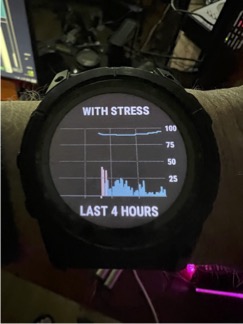
For instance, a Garmin Fenix 7 Pro watch, using Firstbeat analytics, can illustrate how these principles are applied daily, demonstrating a well-managed energy profile and stress reduction techniques in action.

Integrating TEHS Scrum Framework into Your Daily Life

The TEHS Scrum Framework treats each day as a series of ‘sprints’, small, manageable goals that you can meet with precision. This structured yet flexible approach ensures that you build on yesterday’s success, constantly moving towards sustained improvement in both health and performance.

Customized for You

Each individual’s journey is unique, and consequently, so should be their health management plan. Furthermore, TEHS uses detailed self-monitoring tools to tailor daily tasks and goals. Whether you’re aiming to improve your sleep quality, enhance your cognitive function, or manage stress better, TEHS adapts to your personal health and wellness goals. Thus, it offers a customized approach that aligns perfectly with your specific needs.

Continuous Improvement: A Real-Life Example

Take the story of a professional using the TEHS framework: By starting their day with a focused meditation, following up with scheduled energy and stress check-ins via wearable tech, and concluding with a reflective practice at night, they maintain a superb energy balance (white line) and low stress levels (blue histogram), proving the effectiveness of TEHS.

Why Choose TEHS?

With TEHS, you’re not just adopting a new health regimen; you’re embracing a lifestyle that promises continuous improvement. Moreover, by learning from each day’s experiences and adapting your strategies accordingly, you ensure sustainable health and well-being. Consequently, this framework not only boosts your daily energy levels but also significantly reduces stress, making each day more productive and fulfilling.

Join Us on the Path to Transformation

Ready to transform your approach to health and performance? The TEHS Scrum Framework is note a methodology; it’s a adaptive framework that improves personal excellence and well-being at a rapid rate. Sign up for a consultation at Frequency Research Foundation and start your journey towards a life characterized by more achievements and less stress.

Your next step to a healthier, more energetic life is just a click away. Contact us today to learn how you can apply the TEHS principles to your life and see real, lasting changes. Let’s make the old ways of managing health obsolete and embrace a future where your wellness is in your hands.

Embrace the TEHS Scrum Framework, and take the first step towards a life where you achieve more with less stress. It’s not just about being better; it’s about being your best self every day.

Real-Time Healthcare Monitoring: Transformative Tech Insights

In our fast-paced world, maintaining optimal health can often be overlooked. This blog explores how real-time healthcare monitoring and frequency therapy are pivotal in transforming health management, offering insights into my personal experience with these advanced technologies.

Exploring Non-invasive Glucose Monitoring and Real-Time Healthcare Monitoring

Initially, my experience started with using the Dexcom glucose monitor to track my blood sugar levels. Intrigued by advancements in health tech, I later explored a smartwatch that offered noninvasive glucose readings. Consequently, this device revealed an intriguing fact: glucose levels can vary significantly across different parts of the body, and high readings are often influenced by underlying factors such as parasite infections.

A Breakthrough with Frequency Therapy

One morning, my smartwatch showed a concerning glucose level of 140. Seeking a solution, I turned to frequency therapy, targeting a specific parasite strain. As a result, my glucose level dropped to 83. The E400 Cardiac Blood Glucose SmartWatch confirmed this reading.

Beyond Glucose: How Real-Time Healthcare Monitoring Enhances Recovery

Moreover, the impact of frequency therapy extended beyond normalizing my glucose levels. I began the day with a Body Battery score of 92 and, despite a workout that typically drains my energy, my levels climbed to 93%, and my stress reduced to about 5%, lower than usual even during sleep. This was confirmed by my Garmin watch equipped with FirstBeat analytics—technology also used to train Olympic athletes. The benefits of real-time healthcare monitoring are profound, particularly when combined with frequency therapy.

The TEHS Scrum Framework for Health and Performance

Additionally, this personal experience underlines the effectiveness of the TEHS Scrum Framework for Health and Performance, a methodology integrating real-time monitoring of health parameters at an astonishing rate of 1000 times a second with Olympic-level analytics. It’s a framework I’ve been refining to optimize health outcomes through precise and timely interventions.

The Future of Healthcare: Proactive, Precise, and Personalized

Finally, the 21st-century healthcare landscape is rapidly evolving from annual check-ups and reactive treatments to continuous, real-time monitoring that provides immediate insights. With advanced tools like glucose monitors and the strategic use of frequency therapy, we can now implement targeted interventions and verify outcomes within hours, not days or weeks. Real-time healthcare monitoring represents a monumental shift in proactive health management, empowering us with timely, effective interventions.

This approach not only shifts how we view and manage our health but also empowers us with data-driven, precise, and highly effective solutions. The future of healthcare has arrived: it tailors, proactively engages, and focuses on maintaining wellness through innovative technology.