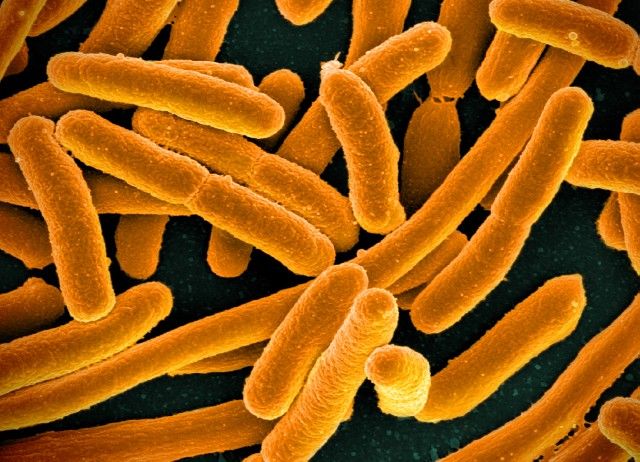
Escherichia coli (/ˌɛʃəˈrɪkiə ˈkoʊlaɪ/), also known as E. coli (/ˌiː ˈkoʊlaɪ/), is a Gram-negative, facultative anaerobic, rod-shaped, coliform bacterium of the genus Escherichia that is commonly found in the lower intestine of warm-blooded organisms (endotherms). Most E. coli strains are harmless, but some serotypes (EPEC, ETEC etc.) can cause serious food poisoning in their hosts, and are occasionally responsible for food contamination incidents that prompt product recalls. The harmless strains are part of the normal microbiota of the gut, and can benefit their hosts by producing vitamin K2, (which helps blood to clot) and preventing colonisation of the intestine with pathogenic bacteria, having a mutualistic relationship. E. coli is expelled into the environment within fecal matter. The bacterium grows massively in fresh fecal matter under aerobic conditions for 3 days, but its numbers decline slowly afterwards. Wikipedia
Related services
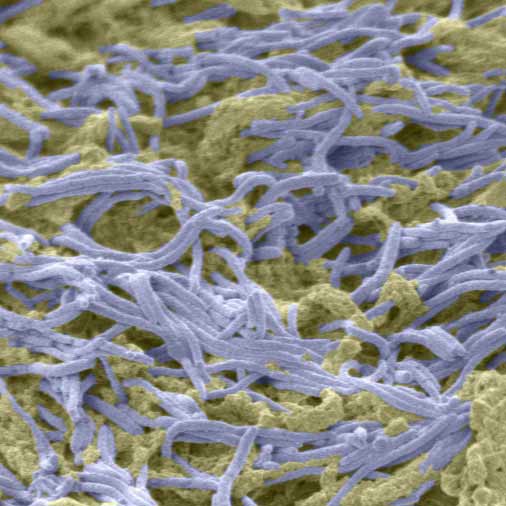
Biofilms – Version 8.0
Biofilms – Version 8.0 is based on decades of research and has over 1200 biofilm frequency sets.
0 Reviews
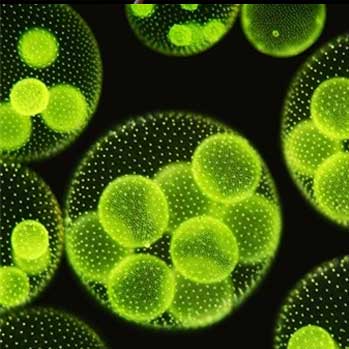
Chlorovirus ATCV-1 – Version 1.0
US researchers have come across a virus that may make us stupider—and it’s turning up in the throats of otherwise-healthy people
0 Reviews
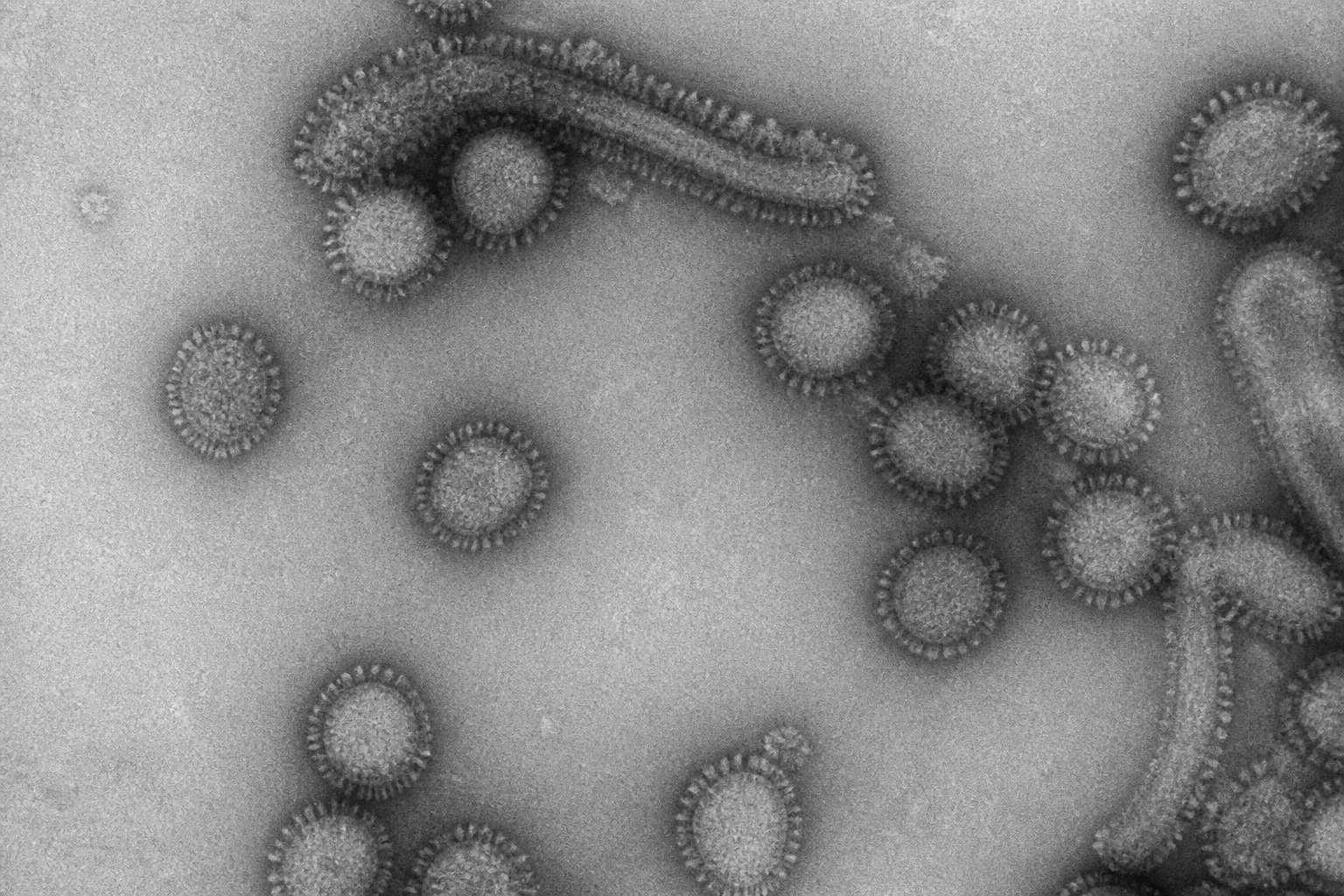
Swine Flu (2010 – 2015)
While there are few diagnoses of swine flu, I still find the swine flu viruses everywhere, particularly in public places.
0 Reviews
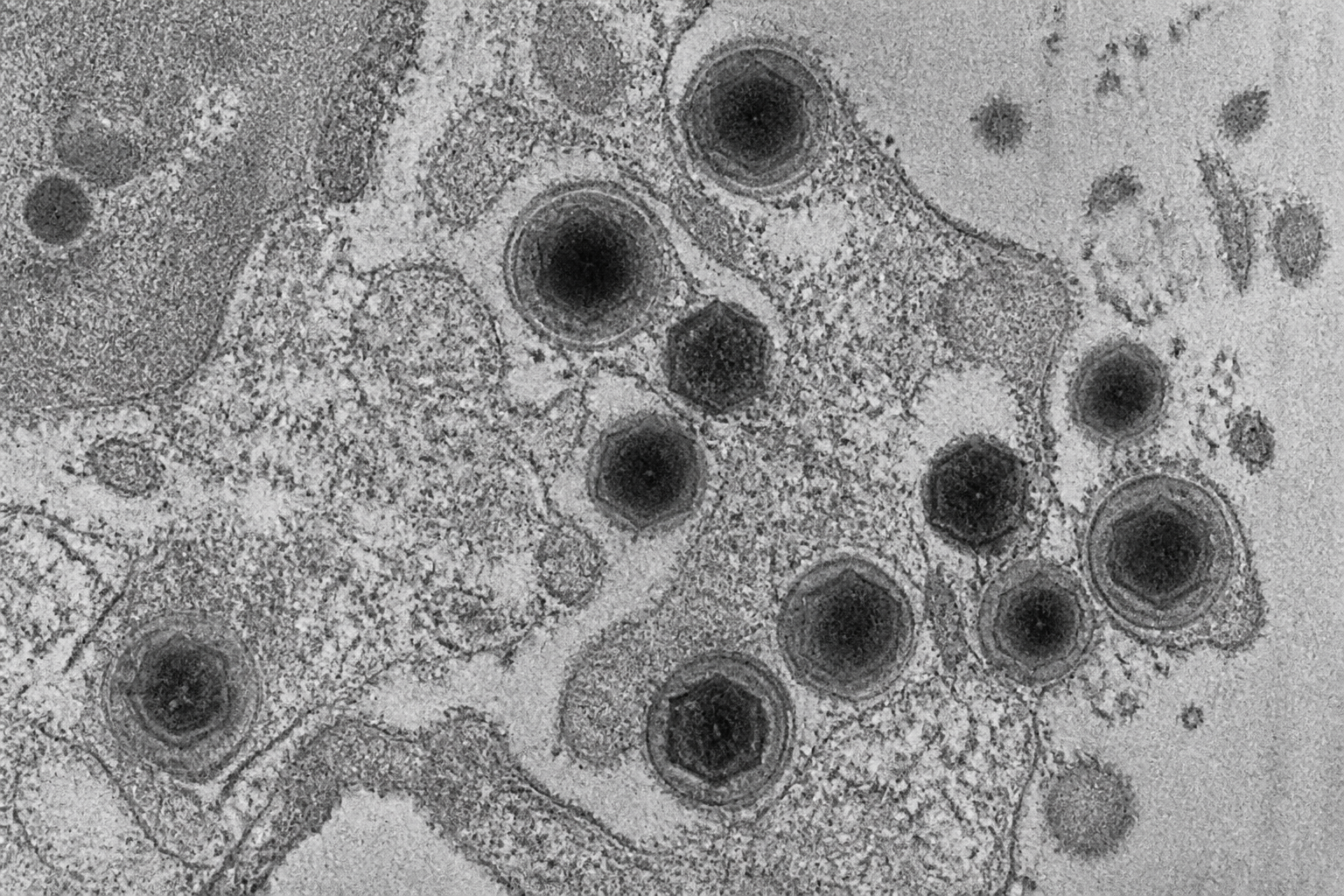
Shingles (Herpes Zoster) – Version 2.1
Version 2.0 of Shingles frequencies contains updates from a recent case of shingles which included a new strain of the herpes zoster virus.
0 Reviews
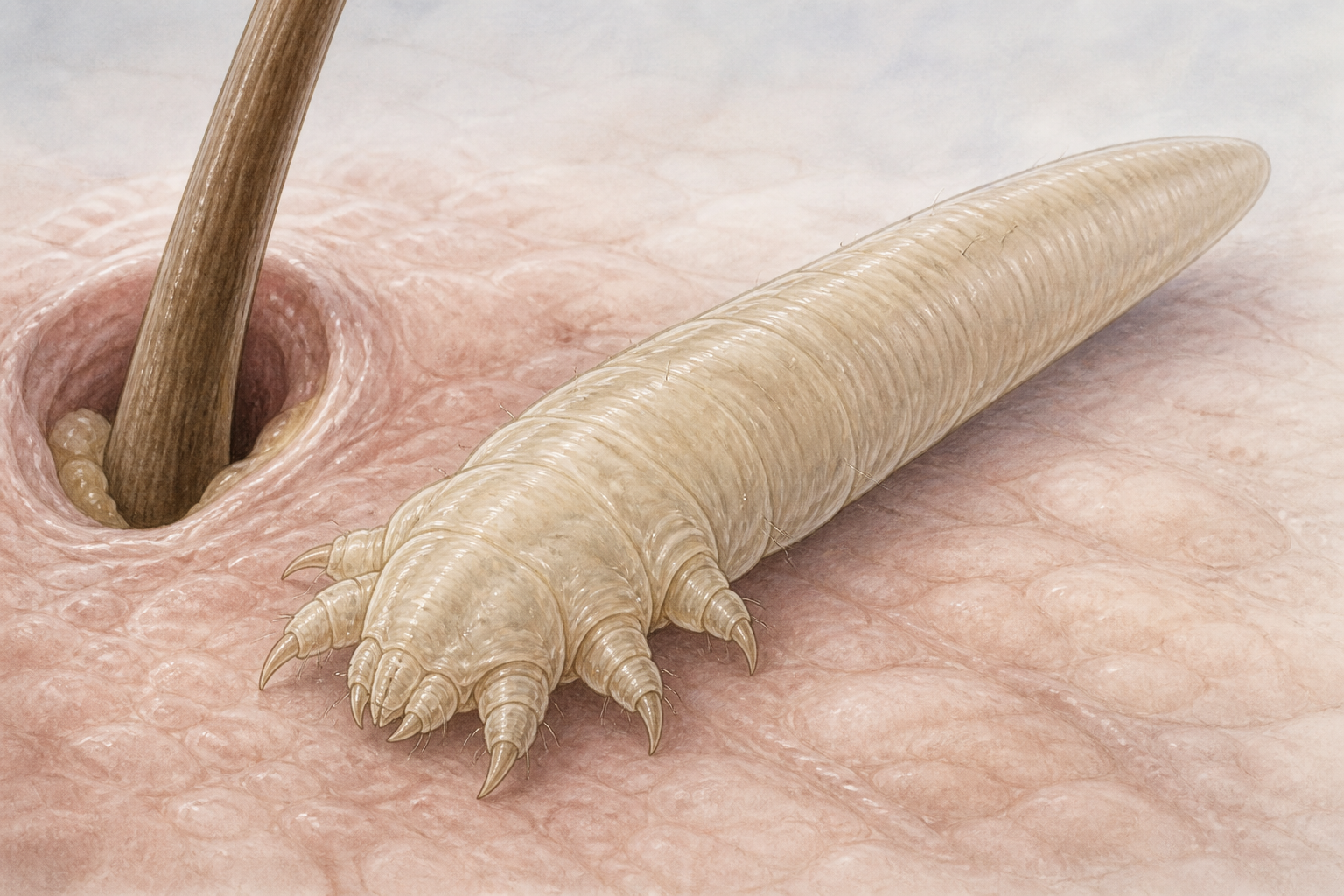
Parasites – Version 1.0
Contains the most common parasites passed around by the flu in recent years plus some parasites commonly seen in Lyme disease.
0 Reviews