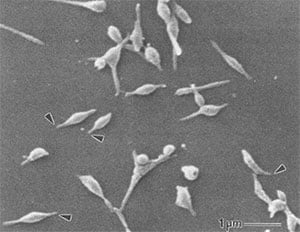
Mycoplasma are common coinfections in Lyme disease. They are very small bacteria without cell walls, hard to detect, and difficult to eliminate. They can be passed by insect bites, physical contact, food, or airborne modalities. Virtually everyone has some mycoplasma infections, particularly ureaplasma through sexual contact. They can cause all the symptoms of Lyme disease and may be at the root of many autoimmune disorders. Version 2.0 has doubled the number of frequency sets for mycoplasma and specifically identified many species of mycoplasma. Mycoplasma hominis is so common it has been broken out as a separate file.
Related services

GcMAF/Nagalase – Version 4.1
Always run Naglase for viruses and cancer. Physicians recommend 10,000 units of Vitamin D a day to promote effects of GcMAF.
0 Reviews
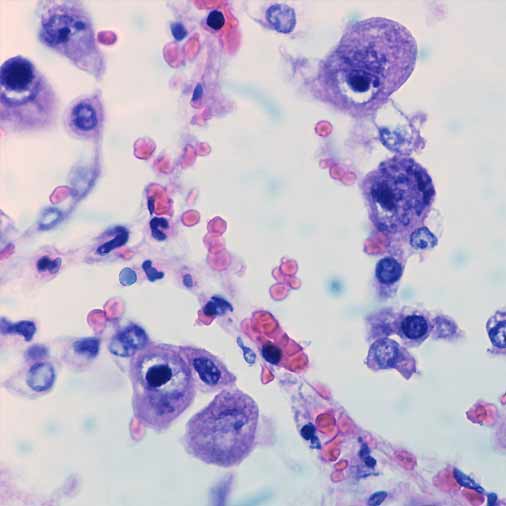
Cytomegalovirus – Version 3.5
Cytomegalovirus is a persistent virus widespread in the population that causes increasing problems with aging through its degradation of the immune system.
0 Reviews
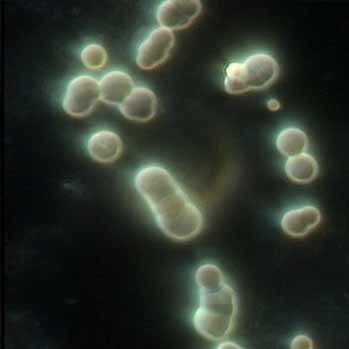
Nanobacteria – Version 3.0 – reduce arterial plaque
After developing complex frequency sequences for hundreds of biofilms, a number of them are nanobacteria that increase diastolic blood pressure and are directly related to heart disease.
0 Reviews
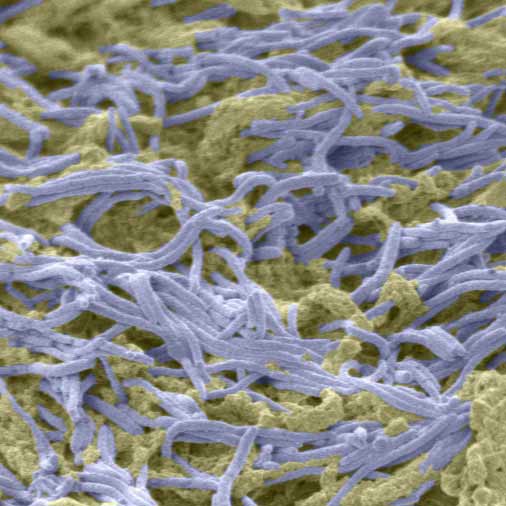
Biofilms – Version 8.0
Biofilms – Version 8.0 is based on decades of research and has over 1200 biofilm frequency sets.
0 Reviews

Gluten – Version 1.0
All people have some degradation of function from gluten so use of this frequency may give you more energy.
0 Reviews