The Fukushima radiation complex appears regularly on the Hadoscan for people throughout the United States in 2021. Bad or no data from the Japanese government has led citizens to take radiation monitoring into their own hands. See maps.safecast.org for latest information on radiation levels. Those individuals with a Hadoscan periodically see a radioactive complex in their system that includes uranium, copper, lead, DDT, hexochlorophenol, and castoreum. This causes both internal symptomology and external skin itching and lesions. This may be the cause of hair loss on Alaska Airlines crew members. A review of lesions on the skin of Alaska Airlines pilots identified a specific frequency in this series.
Related services

Black Mold and Other Fungi – Version 6.0
Everyone runs into mold on a regular basis and these frequencies can help tremendously.
0 Reviews
Epstein-Barr Virus – Version 5.0
Epstein-Barr virus (EBV) is a chronic condition in a large segment of the population causing many negative health effects.
0 Reviews
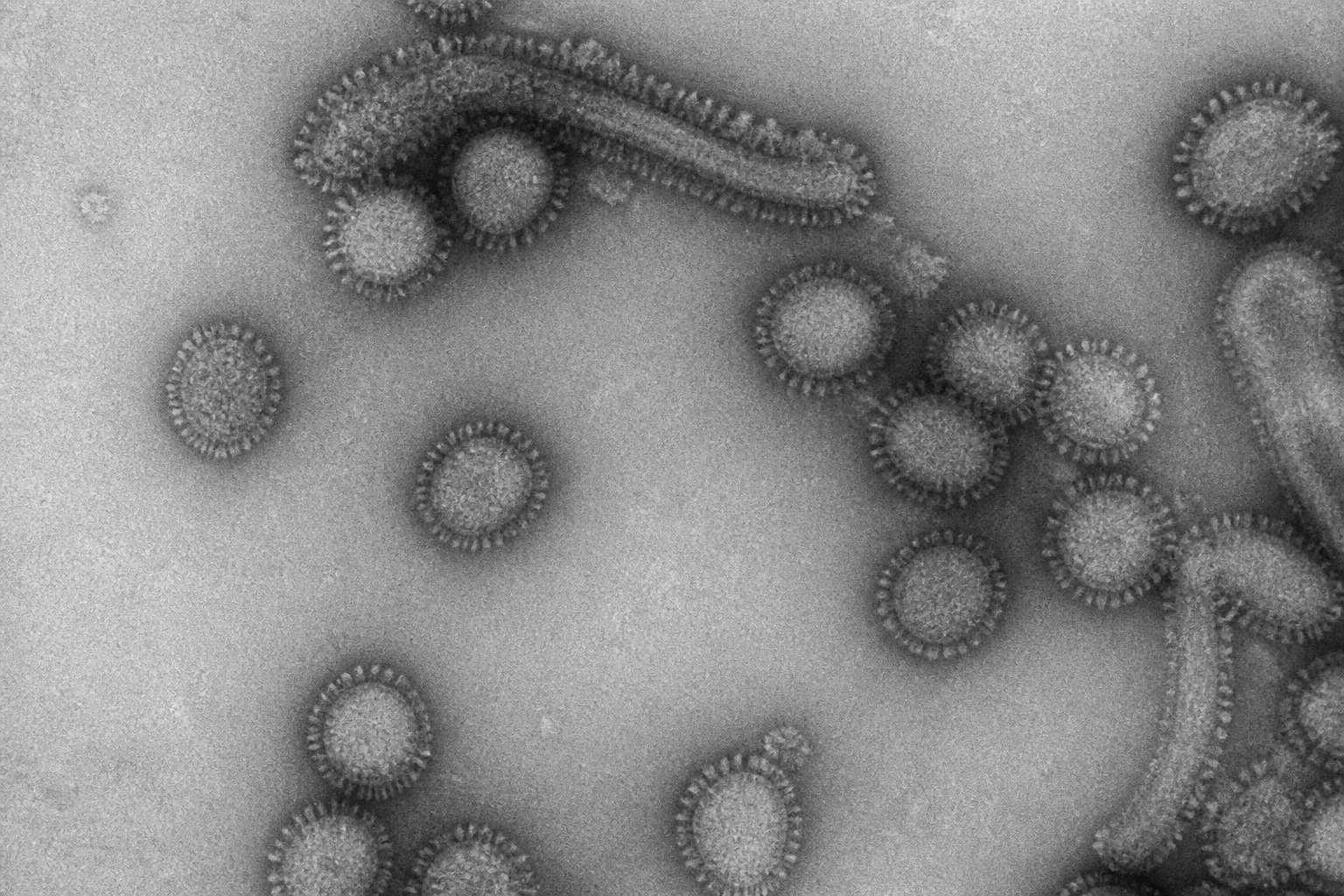
Swine Flu (2010 – 2015)
While there are few diagnoses of swine flu, I still find the swine flu viruses everywhere, particularly in public places.
0 Reviews
Alzheimer’s Disease – Version 2.0
For some months I have been researching Alzheimer’s disease. All patients are infected with certain biofilms which may be causing the plaque buildup in the brain.
0 Reviews
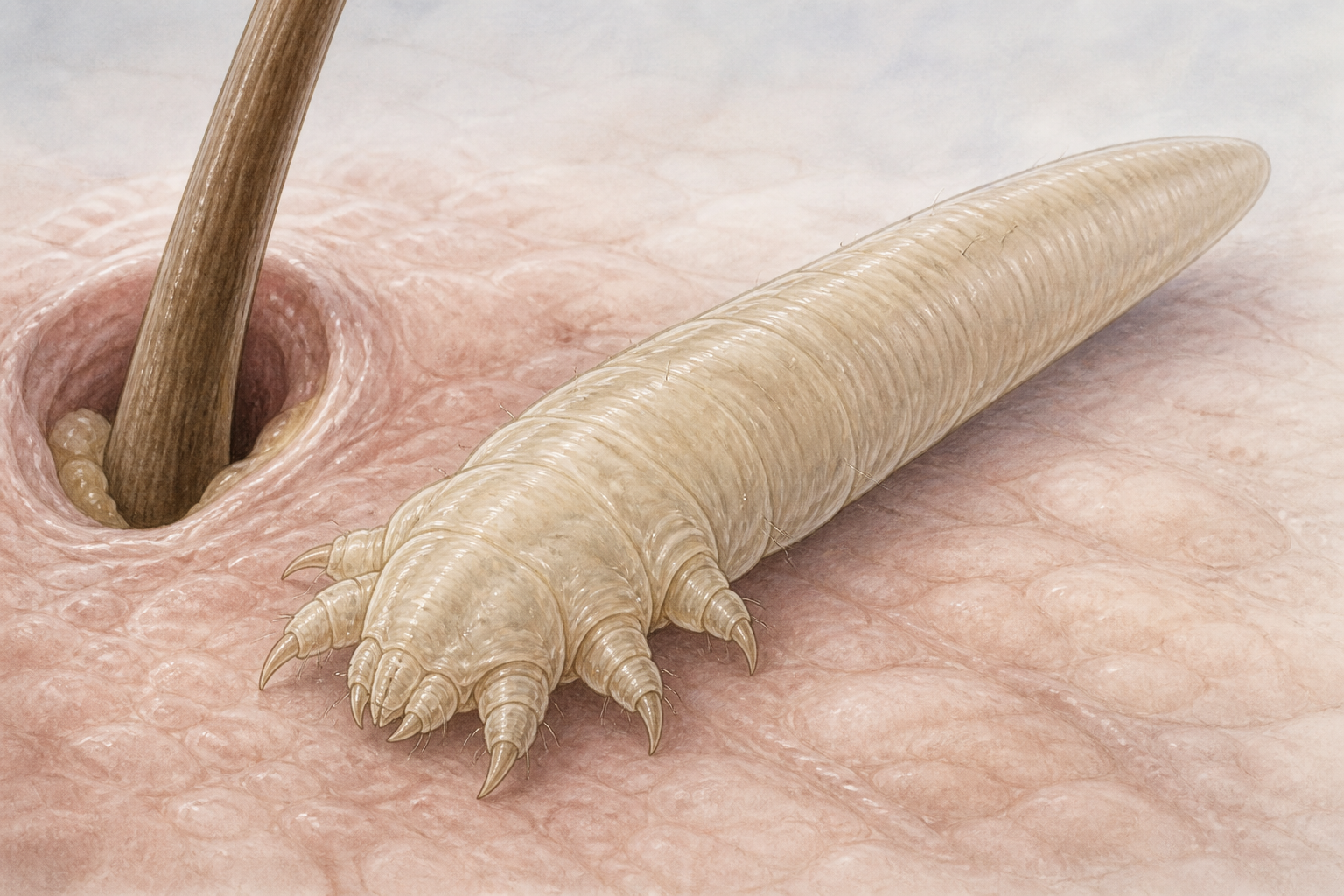
Parasites – Version 1.0
Contains the most common parasites passed around by the flu in recent years plus some parasites commonly seen in Lyme disease.
0 Reviews