Skip to content

Frequency Foundation

Twice the Energy with Half the Stress

The Complete Guide to Alzheimer’s Disease & Frequency Therapy

Table of Contents

  1. A Different Approach to Alzheimer’s
  2. Understanding Alzheimer’s Disease
  3. The Science of 40 Hz Gamma Stimulation
  4. Frequency Therapy for Alzheimer’s: How It Works
  5. Risk Factors and Hidden Causes
  6. Nutritional Strategies That Reduce Alzheimer’s Risk
  7. The Chronic Infection Connection
  8. Related Conditions and the Bigger Picture
  9. What a Consultation Looks Like
  10. Frequently Asked Questions
  11. Take the Next Step

1. A Different Approach to Alzheimer’s

Alzheimer’s frequency therapy is changing the way families and practitioners approach one of the most devastating diseases of our time. Alzheimer’s disease affects more than 55 million people worldwide, and that number is growing every year. For most families, a diagnosis brings a sense of helplessness because conventional medicine offers limited options that manage symptoms rather than address root causes.

At the Frequency Research Foundation, we’ve spent decades researching a fundamentally different approach. Under the leadership of Jeff Sutherland, our work explores how specific electromagnetic frequencies can support brain health, address underlying triggers of neurodegeneration, and offer new possibilities for people living with Alzheimer’s and their families.

This guide brings together everything we’ve published on Alzheimer’s disease — the science, the risk factors, the nutritional research, and the frequency protocols — into one comprehensive resource. Whether you’re a caregiver, someone recently diagnosed, a health practitioner, or simply someone who wants to understand what’s possible beyond conventional treatment, this page is your starting point.

Navigating Alzheimer’s for yourself or a loved one? Dr. Jeff Sutherland offers personalized frequency consultations to discuss your specific situation.

2. Understanding Alzheimer’s Disease

Alzheimer’s is the most common form of dementia, characterized by progressive memory loss, cognitive decline, and changes in behavior. While mainstream research has focused heavily on amyloid plaques and tau tangles, emerging science is revealing a far more complex picture — one that includes chronic infections, environmental toxins, chronic inflammation, and disrupted brain wave patterns.

This complexity is exactly why a multi-faceted approach matters. No single intervention addresses every contributor. Our research at the Frequency Research Foundation examines how frequency-based therapies can work alongside nutritional and lifestyle strategies to support the brain from multiple angles.

3. The Science of 40 Hz Gamma Stimulation

One of the most promising areas of Alzheimer’s research in recent years involves gamma brain waves — specifically, the 40 Hz frequency. Healthy brains produce gamma oscillations naturally during focused attention and memory processing. In Alzheimer’s patients, these oscillations are significantly diminished.

Groundbreaking research from MIT has demonstrated that external 40 Hz stimulation — delivered through light, sound, or electromagnetic frequencies — can reduce amyloid plaques, decrease tau phosphorylation, and activate the brain’s immune cells (microglia) to clear toxic proteins.

Our detailed analysis of this research is available in two key articles:

The implications are significant: if the brain’s own healing mechanisms can be reactivated through the right frequencies, the potential for slowing or even partially reversing cognitive decline becomes a real conversation — not just a hope.

We’ve been working with gamma frequency protocols for years. Our article Alzheimers – Replacing the Missing Gamma Frequency explains our specific approach to restoring this critical brain rhythm using frequency therapy.

4. Frequency Therapy for Alzheimer’s: How It Works

Frequency therapy operates on the principle that biological systems respond to specific electromagnetic signals. Just as 40 Hz gamma waves can stimulate the brain’s cleanup mechanisms, other targeted frequencies may address the underlying infections, inflammation, and cellular dysfunction that contribute to Alzheimer’s progression.

At the Frequency Research Foundation, Jeff Sutherland has developed and refined frequency sets specifically for Alzheimer’s disease. Our flagship protocol, Alzheimer’s Disease – Version 2.0, represents years of research and clinical refinement.

The evidence that frequencies can make a meaningful difference is documented in Frequencies Help Alzheimer’s, which details observed improvements and the rationale behind specific frequency selections.

Our related work on COVID-19 Vaccine Contaminants and Protein Disruptor Frequencies Version 11 also intersects with Alzheimer’s research, as protein disruption and misfolding are central mechanisms in neurodegenerative disease.

Book a consultation with Dr. Jeff Sutherland to discuss a personalized frequency protocol for your situation.

5. Risk Factors and Hidden Causes

Alzheimer’s is not caused by a single factor. Research increasingly points to a web of contributing causes — many of which are overlooked in conventional care.

Environmental Toxins

Glyphosate, the active ingredient in Roundup, has been linked to neurotoxicity and blood-brain barrier disruption. Our investigation into this connection, Glyphosate Alzheimer’s Disease: Could This Common Herbicide Increase Your Risk?, reviews the evidence linking widespread herbicide exposure to increased Alzheimer’s incidence.

The aluminum connection deserves attention as well. Our article Geoengineering – Nano Aluminum Creates Chronic Parasite Infections in Populations examines how environmental aluminum exposure may contribute to both chronic infections and neurodegenerative conditions. The link between aluminum and Alzheimer’s has been debated for decades, but the evidence continues to accumulate.

For broader context on how environmental chemicals affect the nervous system, Roundup Connection to Autism explores parallel neurotoxic pathways.

Infectious Causes

One of the most compelling — and underreported — areas of Alzheimer’s research involves chronic infections. The herpes simplex virus (HSV-1) has been found in a significantly higher proportion of Alzheimer’s brains compared to controls. Our article Alzheimer’s and Herpes Simplex Virus explores this connection and what it means for treatment approaches, including frequency-based antiviral protocols.

Cardiovascular and Metabolic Links

Elevated homocysteine levels are an independent risk factor for both heart disease and Alzheimer’s. Homocysteine, Heart Disease, and Alzheimer Disease explains this biomarker and what can be done to manage it.

Genetic and Chromosomal Factors

Recent research has uncovered a surprising risk factor for men: the loss of the Y chromosome in blood cells (mosaic loss of Y, or mLOY). Our article Vanishing Y Chromosome: How mLOY Impacts Men’s Health covers how this phenomenon is linked to increased Alzheimer’s risk and shorter lifespan in men.

6. Nutritional Strategies That Reduce Alzheimer’s Risk

Nutrition provides critical support at the biochemical level while frequency therapy works at the electromagnetic level. The research on diet and Alzheimer’s prevention is remarkably strong. These are strategies that anyone can begin implementing today.

Fish and Omega-3 Fatty Acids

The data on fish consumption and Alzheimer’s prevention is striking. A 60% reduction in risk from eating fish just once a week has been documented in major studies. We’ve covered this from two angles:

Red Wine and Resveratrol

Studies show that moderate red wine consumption reduces Alzheimer’s risk by 45%. This benefit likely stems from resveratrol and other polyphenolic compounds. Red Wine Cuts Alzheimer’s Risk by 45% examines this research.

Anti-Inflammatory Nutrition

Chronic neuroinflammation is a hallmark of Alzheimer’s. Managing inflammation through nutrition is one of the most accessible interventions available:

Want a comprehensive approach that combines Alzheimer’s frequency therapy with nutritional guidance? A consultation can address the full picture.

7. The Chronic Infection Connection

A growing body of research connects chronic, low-grade infections to neurodegenerative disease. Specifically, a chronically active immune system — struggling to clear persistent infections — triggers inflammation that damages brain tissue over time.

Mycoplasma and Brain Health

Mycoplasma infections are among the most underdiagnosed chronic infections. They can cross the blood-brain barrier and contribute to ongoing neuroinflammation that accelerates cognitive decline. Our research on mycoplasma is extensive:

Lyme Disease and Neurodegeneration

Lyme disease, particularly in its chronic form, is associated with significant cognitive impairment. Many patients describe this as “Lyme brain.” The spirochete bacteria can directly invade brain tissue and trigger immune responses that damage neurons. Our Lyme research provides important context for anyone dealing with both cognitive decline and tick-borne illness:

Protomyxzoa and Novel Pathogens

Emerging pathogens like Protomyxzoa rheumatica may play a role in chronic illness that overlaps with neurodegenerative conditions. Combatting Protomyxzoa Rheumatica: Insights and Innovations explores frequency-based approaches to these organisms and their potential connection to brain health.

8. Related Conditions and the Bigger Picture

Alzheimer’s disease does not exist in isolation. It intersects with aging, environmental health, stress, and the broader evolution of medicine. Understanding these connections helps build a more complete picture of what drives neurodegeneration and what can be done about it.

Aging and Cognitive Decline

Can We Reverse Aging? Science Says Yes—Here’s How examines the latest research on biological age reversal. If we can slow or reverse aging at the cellular level, the impact on Alzheimer’s progression could be profound. This is an area where frequency therapy and longevity science converge.

The COVID-19 pandemic appears to have accelerated biological aging in many people. This has direct implications for cognitive health and Alzheimer’s risk. COVID Accelerated Aging Solutions: Reversing Pandemic’s Hidden Impacts discusses frequency-based approaches to this emerging challenge.

Stress and Cognitive Decline

Chronic stress is a well-established contributor to cognitive decline and can worsen outcomes for anyone pursuing Alzheimer’s frequency therapy. The cortisol-driven damage to the hippocampus — the brain’s memory center — is documented extensively in the scientific literature. Stress Equals Illness: Better Do Something About It covers the mechanisms and and practical steps for intervention.

The Future of Frequency Medicine

Frequency-based approaches to health are moving from the margins into mainstream awareness. This shift matters for Alzheimer’s patients and their families because it means more research, more validation, and more accessibility.

Dealing with Alzheimer’s alongside Lyme, chronic infections, or post-COVID symptoms? A consultation with Dr. Jeff Sutherland can address the full picture and identify the right frequency protocols for your situation.

9. What a Consultation Looks Like

A paid consultation with Dr. Jeff Sutherland is a focused, personalized session. Your specific situation is assessed and a tailored Alzheimer’s frequency therapy protocol is discussed. Dr. Jeff Sutherland draws on decades of research and thousands of frequency sets to identify the approach most relevant to your case.

What to Expect During Your Consultation

Your session will include a review of your health history and current concerns related to Alzheimer’s or cognitive decline. Dr. Jeff Sutherland will discuss relevant frequency protocols, including the Alzheimer’s Disease Version 2.0 frequency set. He also provides guidance on complementary nutritional and lifestyle strategies that support the frequency work. You will leave with a clear next-steps plan tailored to your individual situation.

Who Should Book a Consultation

Consultations are designed for a wide range of people. Individuals diagnosed with Alzheimer’s or mild cognitive impairment benefit from personalized protocol guidance. Caregivers and family members exploring options for a loved one gain clarity on what frequency therapy can offer. Health practitioners interested in integrating frequency therapy into their practice find consultations valuable for professional development. Anyone experiencing cognitive decline who wants a comprehensive, multi-angle approach is welcome.

10. Frequently Asked Questions

11. Take the Next Step

Every case of Alzheimer’s is unique. The combination of risk factors, contributing infections, nutritional status, and individual biology means that no two people need exactly the same approach. A one-size-fits-all strategy does not work for a disease this complex.

Jeff Sutherland has spent decades developing and refining frequency protocols for neurodegenerative conditions, including Alzheimer’s disease. He has worked with thousands of frequency sets and continues to update protocols as new research emerges. A paid consultation is the most direct way to explore what Alzheimer’s frequency therapy can offer for your specific situation.

Whether you are seeking Alzheimer’s frequency therapy guidance for yourself, a family member, or a patient, the conversation starts with a single step.

© Frequency Research Foundation. This content is for educational and informational purposes. It is not intended to diagnose, treat, cure, or prevent any disease. Always consult with qualified healthcare professionals regarding medical conditions.
40 Hz Gamma Stimulation for Alzheimer’s: What the Evidence Shows

If you have followed Alzheimer’s research for any length of time, you have seen a pattern. Headlines rise quickly, hope spikes, and then the details get messy. The reason we updated the TEHS Alzheimer’s chapter is simple. We wanted a clear, evidence-first explanation of why 40 Hz gamma stimulation keeps showing up in serious research and what it may mean for amyloid plaque outcomes.

40 Hz gamma stimulation is being explored through light, sound, and vibration because brain rhythms are not just a side effect of cognition. They are part of how the brain coordinates activity and maintains internal order. When those rhythms degrade, downstream systems degrade too. That is the scientific intuition behind this work and it is why researchers continue to test entrainment at 40 Hz rather than chasing only chemical pathways.

The updated chapter focuses on what the studies are actually investigating. One major aim is amyloid plaque reduction. Another is how stimulation may shift brain housekeeping and immune behavior in ways that change the environment in which plaques form and persist. This is where microglia and glymphatic clearance enter the conversation, not as buzzwords, but as plausible mechanisms researchers are testing to explain observed outcomes.

The most useful way to read this topic is not as a miracle claim but as a mechanism question. Can rhythmic stimulation drive entrainment strongly enough to matter. If it can, does that shift clearance dynamics in a measurable way. And if it does, do those changes correlate with improvements that are clinically meaningful. The TEHS update walks through this logic so readers can separate signal from speculation.

It is also important to stay honest about limits. The literature is still evolving, populations vary, protocols differ, and outcomes are not always comparable across studies. That is exactly why we treat this as a deep dive rather than a headline. We summarize what seems consistent, highlight what remains uncertain, and explain what to watch as this research matures.

If you want the full chapter update, you can read it inside TEHS on Leanpub here.

Frequency Research Foundation works at the intersection of diagnostic measurement and frequency-based protocols. If you want guidance applying these ideas responsibly, we can help you set baselines, track change, and stay grounded in measurable outcomes rather than hype.

This article is part of our comprehensive Alzheimer’s resource library. 40 Hz gamma stimulation is one of the most actively researched frequency-based approaches to Alzheimer’s disease. For the full picture — including how gamma restoration works alongside infection management, nutritional strategies, and personalized frequency protocols — read our complete guide to Alzheimer’s disease and frequency therapy.

You may also find these related articles valuable:

40Hz Alzheimer’s Therapy: Sound & Light Hope for Brain Health

40Hz Alzheimer’s therapy uses precisely pulsed sound and light to nudge the brain’s gamma rhythms—signals tied to attention, memory, and neural coordination. Early studies suggest that entraining these 40Hz waves (often called GENUS) may reduce Alzheimer’s-related markers and support cognition in animals, with promising early human data, too.

Why 40Hz matters

Alzheimer’s does more than create plaques and tangles, it disrupts brain rhythms. In AD, gamma activity (30–100 Hz) declines. By externally tuning the brain at 40Hz, researchers synchronize neural networks. In models, this has been linked to less amyloid burden and better microglial responses; preliminary human work reports changes in connectivity, sleep, daily activity, and memory performance after daily 40Hz sessions.

Hear more about it in our latest episode on Spotify.

How the therapy is delivered

  • Light + sound together: Headphones and specialized light sources pulse at 40Hz to drive gamma entrainment; pairing stimulation with simple cognitive tasks may strengthen the effect and help it reach deeper regions like the hippocampus.
  • At-home feasibility: Early devices and apps aim to make daily therapy practical, though long-term safety, intensity, and duration still require larger trials.

Knowledge is power: understanding non-drug options expands your choices. If you want a broader context for environmental factors, see our recent explainer on glyphosate and Alzheimer’s and how to protect brain health: https://www.frequencyfoundation.com/2025/07/25/glyphosate-alzheimers-disease-link/

What the evidence suggests (so far)

  • Animal studies: 40Hz stimulation reduced Alzheimer’s-associated markers and improved cognition in mice; effects can wane without continued sessions, underscoring the need for ongoing protocols.
  • Early human data: Small, early-phase studies report less ventricular dilation and hippocampal atrophy, better functional connectivity, and gains on memory tasks after 3 months of daily 40Hz audiovisual therapy. Early studies show encouraging adherence and short-term safety, but researchers still need larger, longer trials.

Sensible next steps, your choices

  1. Stay curious, stay cautious: 40Hz is non-invasive and promising, but still emerging science. Discuss options with your clinician, especially if you’re considering at-home devices.
  2. Pair stimulation with daily habits: Cognitive games, sleep optimization, movement, and metabolic health can amplify brain resilience and may complement 40Hz entrainment.
  3. Track what matters: Simple sleep and activity metrics help you evaluate changes over time while research matures.

The bottom line

Researchers continue to write the 40Hz Alzheimer’s therapy story, and early results look hopeful. When you understand the science, you can choose with confidence: whether that’s exploring non-pharmacological options, optimizing daily routines, or combining approaches as evidence grows.

Ready to explore a personalized plan?
We help you translate cutting-edge research into daily action, safely and practically. Book a consultation to discuss whether 40Hz strategies, cognitive training, sleep tuning, and frequency-based support fit your goals.

This article is part of our comprehensive Alzheimer’s resource library. Sound and light-based 40 Hz therapy represents one of the most promising non-pharmaceutical approaches to Alzheimer’s disease. For the complete picture — including the underlying evidence, risk factors, nutritional strategies, and personalized frequency protocols — read our complete guide to Alzheimer’s disease and frequency therapy.

You may also find these related articles valuable:

Glyphosate Alzheimer’s Disease: Could This Common Herbicide Increase Your Risk?

Glyphosate Alzheimer’s disease concerns are gaining attention as new research reveals troubling connections. Glyphosate, the active ingredient in widely-used herbicides such as Roundup, has been scrutinized recently for its potential impact on brain health and its possible role in Alzheimer’s disease (AD). This detailed analysis explores recent scientific findings, regulatory debates, and how these concerns might affect your health.

You can hear more on our latest podcast episode on Spotify.

Recent Research on Glyphosate and Alzheimer’s Disease

Recent studies, particularly a pivotal 2024 study published in the Journal of Neuroinflammation, have shown alarming effects of glyphosate exposure in animal models. The study observed significant increases in Alzheimer’s-like symptoms in mice, including elevated brain inflammation and persistent presence of harmful proteins like amyloid-beta and tau—both widely recognized as key indicators of Alzheimer’s.

Additionally, research from 2022 documented by PMC indicates glyphosate can infiltrate the brain, significantly raising levels of TNFα, a protein closely associated with inflammation and Alzheimer’s progression. This suggests that glyphosate might contribute directly to neuroinflammation, exacerbating Alzheimer’s pathology.

The Regulatory Debate on Glyphosate Safety

Despite mounting scientific evidence, regulatory bodies such as the Environmental Protection Agency (EPA) maintain glyphosate’s safety under current usage guidelines. However, independent studies are increasingly challenging this stance, raising critical concerns about potential risks to human neurological health.

Notably, industry leaders like Monsanto have consistently downplayed potential links between glyphosate and Alzheimer’s disease. In contrast, independent sources and recent studies continue to highlight the neurological risks associated with glyphosate exposure, fueling an ongoing debate.

Glyphosate’s Indirect Impact: The Gut-Brain Connection

Further complexity arises from the potential indirect effects of glyphosate through gut microbiota disruption. According to the Amos Institute, glyphosate-induced gut dysbiosis can cause systemic inflammation, significantly impacting neurological health and potentially increasing Alzheimer’s risk.

What Does This Mean for Human Health?

Currently, most evidence linking glyphosate and Alzheimer’s is derived from animal studies. Nonetheless, these findings strongly imply a potential risk for humans, especially for those regularly exposed to glyphosate, such as agricultural workers. Given these concerns, individuals with significant exposure should consider discussing preventive measures and monitoring strategies with healthcare providers.

Critical Areas for Further Research

To clarify these risks, future research should focus on:

  • Conducting comprehensive epidemiological studies in human populations
  • Investigating glyphosate’s specific mechanisms in neurological deterioration
  • Monitoring long-term health impacts in populations with significant glyphosate exposure

Protect Your Health: Act Now

The emerging link between glyphosate and Alzheimer’s disease warrants proactive measures and awareness. If you’re concerned about glyphosate exposure or your neurological health, it’s crucial to take informed, preventive steps now.

Ready to protect your brain health? Book a personalized consultation today to learn how to minimize your risks.

References

This article is part of our comprehensive Alzheimer’s resource library. Glyphosate is one of several environmental risk factors for Alzheimer’s disease. For the full range of causes — from chronic infections to genetics — and how frequency therapy addresses them, read our complete guide to Alzheimer’s disease and frequency therapy.

Related reading:

Alzheimers – Replacing the Missing Gamma Frequency

In a study of mice that were genetically programmed to develop Alzheimer’s but did not yet show any plaque accumulation or behavioral symptoms, Tsai and her colleagues found impaired gamma oscillations during patterns of activity that are essential for learning and memory while running a maze.

Next, the researchers stimulated gamma oscillations at 40 hertz in a brain region called the hippocampus, which is critical in memory formation and retrieval. These initial studies relied on a technique known as optogenetics, co-pioneered by Boyden, which allows scientists to control the activity of genetically modified neurons by shining light on them. Using this approach, the researchers stimulated certain brain cells known as interneurons, which then synchronize the gamma activity of excitatory neurons.

After an hour of stimulation at 40 hertz, the researchers found a 40 to 50 percent reduction in the levels of beta amyloid proteins in the hippocampus. Stimulation at other frequencies, ranging from 20 to 80 hertz, did not produce this decline.

Best available 40hz light can be found at Amazon.

Gamma frequency entrainment attenuates amyloid load and modifies microglia

Hannah F. IaccarinoAnnabelle C. SingerAnthony J. MartorellAndrii RudenkoFan GaoTyler Z. GillinghamHansruedi MathysJinsoo SeoOleg KritskiyFatema AbdurrobChinnakkaruppan AdaikkanRebecca G. CanterRichard RuedaEmery N. BrownEdward S. Boyden & Li-Huei Tsai

Nature 540, 230–235 (08 December 2016) doi:10.1038/nature20587

Changes in gamma oscillations (20–50 Hz) have been observed in several neurological disorders. However, the relationship between gamma oscillations and cellular pathologies is unclear. Here we show reduced, behaviourally driven gamma oscillations before the onset of plaque formation or cognitive decline in a mouse model of Alzheimer’s disease. Optogenetically driving fast-spiking parvalbumin-positive (FS-PV)-interneurons at gamma (40 Hz), but not other frequencies, reduces levels of amyloid-β (Aβ)1–40 and Aβ 1–42 isoforms. Gene expression profiling revealed induction of genes associated with morphological transformation of microglia, and histological analysis confirmed increased microglia co-localization with Aβ. Subsequently, we designed a non-invasive 40 Hz light-flickering regime that reduced Aβ1–40 and Aβ1–42 levels in the visual cortex of pre-depositing mice and mitigated plaque load in aged, depositing mice. Our findings uncover a previously unappreciated function of gamma rhythms in recruiting both neuronal and glial responses to attenuate Alzheimer’s-disease-associated pathology.

This gamma frequency protocol is one component of a broader approach to Alzheimer’s disease. For the full scope of research — from infection management and environmental risk factors to nutritional strategies and personalized consultations — read our complete guide to Alzheimer’s disease and frequency therapy.

Related reading:

Biofilms Version 7.0

 Biofilms – Version 7.0 is the 1917 release of hundreds of biofilm programs. Thousands of updates and many more bacterial strains have been added.  Use of the new Hunter 4025 scanning technology has allowed more precise identification of specific pathogens in some cases.
Most of the 600 strains of periodontal biofilms DNA sequenced by the National Institutes of Health are now  in this series of programs. Most strains of lyme disease borrelia are included. Nanobacteria and other biofilms associated with Altzheimers can be found here. Biofilms are associated with all major disease categories. There is even a new program targets abdominal fat.
Recent research has focused on biofilm involvement in tumors. All tumors (benign and malignant) are infected with biofilms. The relationship of causation of tumors by biofilms is still being researched. It appears that many so-called Rife frequencies are really components of biofilms.
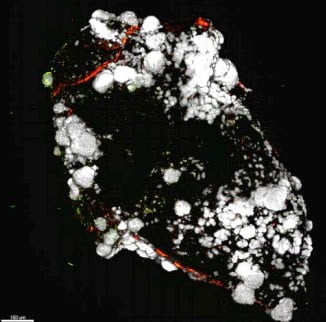
There is extensive academic research on biofilms. See Montana State University Center for Biofilm Engineering for the basics, as well as access to papers from dozens of conferences. For example, most people have biofilms forming calcification in their joints and articles. Here is a photo of such a biofilm on a grain of sand:
freqmain__477_621_920_
These biofioms are not doing your heart any good.
Most bacteria infections today are antibiotic resistant biofilms. While over 600 species of these biofilms have been DNA sequenced for periodontal disease, these gum infections are the tip of the iceberg. A huge amount of illness from joint problems to wound infections to heart disease are caused by biofilms.
During the past two years, intensive research at the Frequency Research Foundation has developed frequency sequences for about 400 biofilms. A notable finding is that radical reduction in blood pressure can be achieved by running the appropriate borrelia biofilm programs for infected individuals. All people exposed to lyme disease will need them.
January 2005, National Institute of Dental and Craniofacial Research
It has long been assumed that all chronic periodontitis is the same no matter where one lives in the world.  But some scientists have wondered whether the bacterial composition of the oral biofilm – the sticky, mat-like microbial communities that form on our teeth and cause chronic periodontitis – might vary geographically.  In the November issue of the Journal of Clinical Periodontology, NIDCR grantees and their colleagues report for the first time that this is indeed the case.  In a study of more than 300 patients with chronic periodontitis from Sweden, the United States, Brazil, and Chile, they found clear geographical differences in the bacterial content of dental plaque obtained from the periodontal lesions.  To hear more about this important paper, the Inside Scoop recently talked with lead author Anne Haffajee, B.D.S., and Sigmund Socransky, D.D.S., the senior author. Both are scientists at The Forsyth Institute in Boston.

—–

Work on biofilms is becoming as extensive as previous work on lyme disease frequencies. Daily updates indicate that they are at the root of much of heart disease, respiratory problems, joint issues, prostate problems, and tumors of all types. Recent releases added many biofilms seen with abnormal cells in cancer patients, raising the question as to whether they are involved in carcinogenesis.

There are over 600 species of periodontal biofilms that have been DNA sequenced. During the past two years, the Frequency Research Foundation has expanded detailed analysis of  frequencies for many more biofilm infections. This is the most extensive research effort since development of the lyme disease frequency sets and has involved daily analysis and update of biofilm frequencies from September 2011 until July 2013. As a result these data are the most comprehensive biofilm frequency sets available.

Some are based on the lyme borellia spirochete and cause elevated blood pressure. Others are directly related to mortality from heart disease.

See:

Persistent Chlamydia pneumoniae infection of cardiomyocytes is correlated with fatal myocardial infarction.
Spagnoli LG, Pucci S, Bonanno E, Cassone A, Sesti F, Ciervo A, Mauriello A.

All biofilms can go systemic in the body and cause a wide variety of symptoms and disease outcomes. For the first time it is possible to work on getting rid of the root cause of gum disease and other persistent infections.

Frequencies are published as a set of over a dozen F165 program files. It is best to work on one biofilm frequency set at a time as one clinician has noted that use of these frequencies is analogous to tearing up the floorboards in your house. You never know what you are going to find underneath.

Biofilm frequencies are available to subscribers.

Alzheimer’s and Herpes simplex virus

The Discovery: Herpes Virus DNA Found Inside Alzheimer’s Plaques

In 2009, a research team led by Dr. Ruth Itzhaki at the University of Manchester published a finding that should have changed the course of Alzheimer’s research. Using advanced molecular techniques, they examined brain tissue from Alzheimer’s patients and made a striking discovery: herpes simplex virus type 1 (HSV-1) DNA was found directly inside amyloid plaques — the hallmark pathological feature of Alzheimer’s disease.

The numbers were remarkable. In Alzheimer’s disease brains, 90% of amyloid plaques contained HSV-1 DNA. And 72% of all HSV-1 DNA found in these brains was located within the plaques themselves. The virus was not merely present in the brain alongside the plaques. It was embedded within them.

We published this article in 2010 because the implications were too significant to overlook. If a common virus was directly contributing to the formation of Alzheimer’s plaques, it meant that the disease might be preventable — and treatable — through antiviral approaches, including frequency-based protocols.


What the Study Found

The research, published in the Journal of Pathology (2009, Vol. 217, Issue 1, pages 131-138), was conducted by Wozniak, Mee, and Itzhaki at the Faculty of Life Sciences, University of Manchester.

The Method

The researchers used a technique called in situ polymerase chain reaction (PCR) to detect HSV-1 DNA directly within brain tissue sections. They combined this with immunohistochemistry and thioflavin S staining to identify and visualize amyloid plaques. This dual approach allowed them to see exactly where the viral DNA was located relative to the plaques — not just whether both were present in the same brain, but whether they occupied the same physical space.

The Key Findings

The results were consistent across multiple brains and showed a clear pattern.

In Alzheimer’s disease brains, 90% of amyloid plaques contained herpes simplex virus type 1 DNA. Additionally, 72% of all viral DNA detected was physically associated with plaque deposits.

In aged normal brains — which also develop some amyloid plaques, though at a lower frequency — 80% of plaques still contained HSV-1 DNA. However, only 24% of the total viral DNA was plaque-associated. This difference was statistically significant (p < 0.001).

The researchers interpreted this difference as evidence that healthy aging brains are better at clearing amyloid beta (Aβ), so less of the viral DNA ends up trapped within plaque deposits. In Alzheimer’s brains, the accumulation and impaired clearance of amyloid means more viral DNA becomes permanently embedded in the growing plaques.

What This Means

The study’s authors stated their conclusion directly: HSV-1 “is a major cause of amyloid plaques and hence probably a significant aetiological factor in Alzheimer’s disease.” They recommended pursuing antiviral agents as treatment and potentially vaccination as prevention.

This was a bold conclusion in 2009. The Alzheimer’s research establishment was heavily invested in the “amyloid hypothesis” — the idea that amyloid plaques are the primary cause of the disease and that removing them should cure it. The suggestion that a virus was driving plaque formation challenged this framework at its foundation.


Why This Was Ignored — And Why It Matters Now

Despite the strength of Itzhaki’s findings, the infectious theory of Alzheimer’s was largely sidelined by the mainstream research community for years. Billions of dollars continued to flow into amyloid-targeting drug development, most of which failed in clinical trials. Meanwhile, the evidence connecting HSV-1 to Alzheimer’s continued to accumulate quietly.

The Frequency Research Foundation recognized the significance of this research immediately. When we published this article in 2010, the herpes-Alzheimer’s connection was considered fringe. Today, it is one of the most actively investigated areas in Alzheimer’s science.


2025 Update: 15 Years of Validation

Since the Wozniak, Mee, and Itzhaki study, the evidence linking herpes simplex virus to Alzheimer’s disease has grown from a single provocative finding into a substantial body of research involving millions of patients.

Large Population Studies Confirm the Link

Multiple large-scale epidemiological studies have now demonstrated that people with HSV-1 infections have a significantly higher risk of developing Alzheimer’s disease. Crucially, several of these studies have shown that antiviral treatment reduces that risk. A landmark 2018 study from Taiwan involving over 33,000 subjects found that individuals treated with anti-herpes medications had a dramatically lower incidence of dementia compared to untreated HSV carriers. This was the type of evidence that moves a theory from “interesting” to “actionable.”

The Mechanism Is Now Well Understood

Research since 2009 has clarified how HSV-1 drives Alzheimer’s pathology. The current understanding involves a cyclical process. HSV-1 resides dormantly in nerve tissue, including the trigeminal ganglion near the brain. When the virus reactivates — which can happen repeatedly throughout life due to stress, immune suppression, or aging — it travels to the brain and causes direct neuronal damage. The brain’s immune response to viral reactivation includes the production of amyloid beta, which has antimicrobial properties. Amyloid beta effectively traps the virus but accumulates over repeated cycles of reactivation, eventually forming the characteristic plaques of Alzheimer’s disease. Each cycle of viral reactivation triggers neuroinflammation, compounding the damage.

This means amyloid plaques may not be the cause of Alzheimer’s — they may be the brain’s defensive response to a chronic viral infection. This reframing explains why drugs designed solely to remove amyloid plaques have largely failed: they address the symptom, not the cause.

The APOE-ε4 Connection

Itzhaki’s earlier research had shown that HSV-1 is a particularly strong risk factor for Alzheimer’s in people who carry the APOE-ε4 gene variant — the best-known genetic risk factor for the disease. Subsequent research has confirmed this interaction. The APOE-ε4 allele appears to impair the brain’s ability to control HSV-1 reactivation, leading to more frequent viral flare-ups and faster plaque accumulation. This explains why some people with HSV-1 develop Alzheimer’s while others do not — the combination of the virus and the genetic variant creates the highest risk.

The Antimicrobial Hypothesis Gains Mainstream Support

What was once called the “herpes hypothesis” has evolved into the broader “antimicrobial protection hypothesis” of Alzheimer’s disease, championed by researchers at Harvard and other major institutions. This framework recognizes that amyloid beta functions as an antimicrobial peptide — part of the brain’s innate immune system — that responds to pathogens including HSV-1, bacteria, and fungi. Alzheimer’s, in this view, is the result of chronic, repeated immune activation in the brain.


The Connection to Other Chronic Infections

HSV-1 is not the only infectious agent linked to Alzheimer’s. The broader pattern is that chronic, brain-infiltrating infections drive the neuroinflammatory cycle that produces Alzheimer’s pathology. At the Frequency Research Foundation, we have been tracking these connections across multiple pathogen types.

Mycoplasma infections can cross the blood-brain barrier and contribute to ongoing neuroinflammation. Our research on mycoplasma is documented in Mycoplasma: A Key Component in Lyme and Other Diseases and Mycoplasma – Why the Lyme Flu Goes On and On.

Lyme disease spirochetes can directly invade brain tissue and trigger immune responses similar to those caused by HSV-1. Our Lyme disease frequency protocols address this neurological component.

The common thread across all these infections is chronic neuroinflammation. Managing this inflammatory burden is critical to slowing or preventing Alzheimer’s progression. Our article Eliminating Inflammation Is a Top Priority for Disease Prevention explains why this is the foundational strategy.


How Frequency Therapy Addresses the HSV-1 Connection

This research has direct and practical implications for frequency therapy. If HSV-1 is a significant driver of Alzheimer’s pathology, then addressing the virus with targeted frequencies — rather than waiting for plaque formation and trying to clear plaques after the fact — represents a fundamentally different treatment strategy.

At the Frequency Research Foundation, Dr. Jeff Sutherland has developed frequency protocols that target multiple aspects of the HSV-1/Alzheimer’s connection. Antiviral frequencies target HSV-1 directly, potentially reducing the frequency and severity of viral reactivation episodes in the brain. Anti-inflammatory frequencies address the neuroinflammation triggered by each reactivation cycle. Gamma frequency restoration, particularly 40 Hz stimulation, supports the brain’s natural clearance mechanisms for amyloid beta. Immune support frequencies help the body maintain better viral suppression over time.

This multi-layered approach addresses the cause (the virus), the mechanism (neuroinflammation), and the consequence (amyloid accumulation and cognitive decline) simultaneously. It is the type of comprehensive strategy that the research now supports.

Our flagship protocol, Alzheimer’s Disease – Version 2.0, incorporates antiviral frequency components alongside gamma stimulation and neuroinflammatory targeting. For the complete picture of how frequency therapy addresses Alzheimer’s from every angle, read our complete guide to Alzheimer’s disease and frequency therapy.

If you or a loved one is dealing with Alzheimer’s or cognitive decline, a consultation with Dr. Jeff Sutherland can assess whether chronic viral infections may be a contributing factor and develop a personalized frequency protocol to address it. Book Your Consultation


Frequently Asked Questions


Take the Next Step

The herpes-Alzheimer’s connection is no longer a fringe theory — it is supported by 15 years of research involving millions of patients. If chronic viral infection is driving Alzheimer’s pathology, then addressing that infection early and comprehensively is one of the most important steps you can take.

Dr. Jeff Sutherland has spent decades developing frequency protocols that target the infections, inflammation, and brain wave disruptions that contribute to Alzheimer’s disease. A paid consultation is the most direct way to explore what frequency therapy can offer for your specific situation.

Book Your Consultation with Dr. Jeff Sutherland


This article is part of our comprehensive Alzheimer’s resource library. Herpes simplex virus is one of several chronic infections linked to Alzheimer’s disease. Read our complete guide to Alzheimer’s disease and frequency therapy for the full scope of research, from 40 Hz gamma science to nutritional strategies and personalized frequency protocols.


© Frequency Research Foundation. This content is for educational and informational purposes only. It is not intended to diagnose, treat, cure, or prevent any disease. Always consult with qualified healthcare professionals regarding medical conditions.

Frequencies help Alzheimers’s

The Early Evidence: Brain Stimulation Improves Alzheimer’s Memory

Back in 2008, a Senior Producer at NPR forwarded a Reuters press release to me about a clinical trial that caught my attention. Researchers had demonstrated that electrical stimulation of the brain using specific frequencies improved memory in Alzheimer’s patients — performing as well as or better than some pharmaceutical drugs.

At the time, this was a surprising finding for the mainstream medical community. For those of us working with frequencies, it was confirmation of something we had already observed.

The study, led by Dr. Alberto Priori and colleagues at the University of Milan, investigated whether transcranial direct current stimulation (tDCS) applied to the temporoparietal cortex could improve recognition memory in patients with Alzheimer’s disease. Their results were clear: the treatment significantly improved word recognition memory accuracy, while sham (placebo) treatment had no effect.

What made the findings particularly striking was the comparison to pharmaceuticals. The frequency-based stimulation produced memory improvement comparable to the 16 percent gain seen with long-term use of cholinesterase inhibitors — drugs that were the standard of care for early Alzheimer’s at the time. The key difference was that the frequency stimulation achieved this result after a single session, whereas the drugs required long-term daily use.

Dr. Priori noted at the time that “chronic daily application might induce even greater improvement,” and suggested that combining brain stimulation with cognitive rehabilitation could yield the best results for Alzheimer’s patients.

(Reference: Priori, A. et al., University of Milan. Transcranial direct current stimulation and recognition memory in Alzheimer’s disease. As reported by Reuters Health, Will Boggs, MD, August 2008.)


What I Observed in Clinical Practice

Around the same period, I had a direct clinical experience that aligned with this research. The family of an Alzheimer’s patient asked me to evaluate their elderly relative. During my assessment, I detected a virus present in the brain. When I applied targeted frequencies to address this virus, the patient immediately emerged from a comatose state.

This single observation pointed to something important: frequencies help Alzheimer’s patients through multiple potential mechanisms, not just one. The improvement could have resulted from addressing the pathogen directly, stimulating the elimination of toxins (particularly metals that accumulate in the brain), activating dormant brain cell function, or a combination of all three.

The Reuters study did not publish the specific frequencies used in their protocol, which limited what we could learn from their methodology alone. But the principle was validated: the brain responds to electromagnetic stimulation, and Alzheimer’s patients can benefit from it.


2025 Update: The Science Has Caught Up

Since that 2008 press release, the research on frequency-based brain stimulation for Alzheimer’s has exploded. What was once a preliminary finding from a 10-patient study is now supported by hundreds of studies and multiple clinical trials worldwide.

40 Hz Gamma Stimulation: The Breakthrough

The most significant development has been the discovery that 40 Hz gamma frequency stimulation can directly address key Alzheimer’s disease mechanisms. Groundbreaking research from MIT demonstrated that 40 Hz stimulation — delivered through light, sound, or electromagnetic frequencies — can reduce amyloid plaque buildup in the brain, decrease tau protein phosphorylation (the other hallmark of Alzheimer’s pathology), activate microglia (the brain’s immune cells) to clear toxic proteins, and restore gamma oscillations that are diminished in Alzheimer’s patients.

This is no longer preliminary data. Multiple research groups have replicated these findings, and human clinical trials are underway. We have covered this research extensively in two dedicated articles:

Transcranial Stimulation Goes Mainstream

The tDCS approach from Dr. Priori’s original 2008 study has also advanced significantly. Multiple randomized controlled trials have now confirmed that various forms of transcranial electrical and magnetic stimulation can improve cognitive function in Alzheimer’s patients. The technology has moved from experimental curiosity to an active area of clinical development, with several devices now in late-stage trials.

The Infection Connection Gains Ground

My 2008 observation about detecting a virus in an Alzheimer’s patient’s brain was not an isolated finding. Since then, the infectious theory of Alzheimer’s has gained substantial scientific support. Herpes simplex virus (HSV-1) has been found at significantly higher rates in Alzheimer’s brains, and antiviral treatment has been shown to reduce Alzheimer’s risk in large population studies. We explore this connection in depth in our article Alzheimer’s and Herpes Simplex Virus.

This matters for frequency therapy because targeted frequencies can address both the underlying infections and the brain’s electromagnetic environment simultaneously — something no pharmaceutical drug currently achieves.


How Frequency Therapy Addresses Alzheimer’s Today

At the Frequency Research Foundation, Dr. Jeff Sutherland has continued to develop and refine frequency protocols for Alzheimer’s disease since that initial 2008 observation. Our current approach, Alzheimer’s Disease – Version 2.0, incorporates nearly two decades of additional research and clinical refinement.

Our approach to Alzheimer’s frequency therapy works on multiple levels. We address gamma frequency restoration, targeting the 40 Hz oscillations that Alzheimer’s patients lose. Our protocol includes pathogen-specific frequencies that target viruses and other infections that may be contributing to neurodegeneration. We also incorporate anti-inflammatory frequency support to reduce the chronic neuroinflammation that drives disease progression, along with cellular support frequencies that promote neuronal health and toxin elimination.

For a complete overview of how all these elements work together, read our Complete Guide to Alzheimer’s Disease and Frequency Therapy.

Every case of Alzheimer’s is different. Dr. Jeff Sutherland offers personalized paid consultations to assess your specific situation and develop a tailored frequency protocol.

Book Your Consultation


Why This Matters: Frequency Research Foundation Was Early

Looking back at this 2008 article, what stands out is that the Frequency Research Foundation was discussing frequency-based Alzheimer’s therapy years before it became a mainstream research topic. The 40 Hz gamma research from MIT that made global headlines didn’t publish until 2016 — eight years after we first highlighted this area.

The 2008 Reuters study was a small trial with 10 patients. Today, the evidence base includes hundreds of studies involving thousands of participants. The mechanisms we speculated about in 2008 — pathogen elimination, toxin clearance, brain cell stimulation — have all been validated by subsequent research.

The science has caught up. And it confirms what we observed in clinical practice: frequencies help Alzheimer’s patients.


Frequently Asked Questions


Take the Next Step

If you or a loved one is dealing with Alzheimer’s disease, a personalized consultation with Dr. Jeff Sutherland can help you understand how frequency therapy may support your specific situation.

Book Your Consultation with Dr. Jeff Sutherland


This article is part of our comprehensive Alzheimer’s resource library. Read our complete guide to Alzheimer’s disease and frequency therapy for the full scope of research, risk factors, nutritional strategies, and treatment approaches.


© Frequency Research Foundation. This content is for educational and informational purposes only. It is not intended to diagnose, treat, cure, or prevent any disease. Always consult with qualified healthcare professionals regarding medical conditions.

Red Wine Cuts Alzheimer’s Risk by 45%

Another Reason Prevention Works

One of the basic principles we return to regularly at the Frequency Research Foundation is that over 50% of disease, clinic visits, and hospitalizations are entirely unnecessary. Simple nutritional and lifestyle strategies can eliminate them in most cases.

Red wine and Alzheimer’s risk reduction is one of the clearest examples. A study from Columbia University demonstrated that moderate wine consumption reduced the risk of developing Alzheimer’s disease by 45% — nearly half. And this is just one strategy among several that, when combined, can drive the risk down even further.

When we published this in 2004, the idea that something as simple and enjoyable as a glass of wine could meaningfully protect the brain was dismissed by many in the medical establishment. Two decades later, the underlying science — particularly around resveratrol — has been extensively validated.


The Columbia University Study

The research was conducted at Columbia University in New York and followed 980 elderly Manhattan residents who were free of any dementia at the start of the study. Over four years, the researchers tracked which participants developed dementia and correlated this with their alcohol consumption patterns.

The Results

During the four-year follow-up period, 260 participants developed dementia. Of these, 199 were diagnosed with Alzheimer’s disease and 61 with vascular dementia.

The key finding was clear and striking: participants who consumed wine — up to three glasses per day — had a 45% lower risk of developing Alzheimer’s disease compared to non-drinkers. This was a substantial, clinically meaningful reduction from a single lifestyle factor.

Importantly, no similar benefit was observed with other alcoholic beverages. Beer and spirits did not provide the same protection. This pointed strongly toward a specific compound in wine rather than alcohol itself as the protective agent.

Why Wine and Not Other Alcohol

The researchers and subsequent commentary identified resveratrol as the most likely compound responsible for wine’s neuroprotective effects. Resveratrol is a polyphenol — a plant-derived compound with potent antioxidant and anti-inflammatory properties — found in high concentrations in grape skins. Because red wine involves extended contact between the juice and grape skins during fermentation, it contains significantly more resveratrol than white wine, grape juice, or other alcoholic beverages.

Two Important Caveats From the Study

The original study identified two critical limitations that are important for anyone considering this information.

First, no benefit from wine consumption was observed in people carrying the APOE-ε4 gene variant, which is the strongest known genetic risk factor for Alzheimer’s disease. This is a significant caveat because it means the population at highest genetic risk may not benefit from this particular strategy. For APOE-ε4 carriers, other protective approaches — including frequency therapy, omega-3 supplementation, infection management, and homocysteine control — may be more relevant. Our complete guide to Alzheimer’s disease and frequency therapy covers all of these alternatives.

Second, the benefits were observed only with moderate consumption — up to one to three glasses per day. Beyond that amount, the health benefits disappear and alcohol becomes a health liability, increasing risk for liver disease, certain cancers, and paradoxically, cognitive decline and brain atrophy. More is definitively not better.

(Citation: Columbia University study on wine consumption and Alzheimer’s risk in elderly Manhattan residents. As reported by Reuters Health, New York, April 5, 2004.)


How Resveratrol Protects the Brain

Since the Columbia study was published, extensive research has clarified the mechanisms by which resveratrol and other wine polyphenols protect against neurodegeneration. The protection works through multiple overlapping pathways.

Anti-Inflammatory Action

Resveratrol is a potent inhibitor of neuroinflammation. It suppresses the activation of NF-κB, a master regulator of inflammatory gene expression, and reduces the production of pro-inflammatory cytokines in brain tissue. Since chronic neuroinflammation is now recognized as a primary driver of Alzheimer’s disease progression, this anti-inflammatory action is likely one of the key mechanisms behind the 45% risk reduction.

This connects to a foundational principle of our work at the Frequency Research Foundation. Our article Eliminating Inflammation Is a Top Priority for Disease Prevention explains why managing inflammation is the single most important strategy for preventing chronic disease, including Alzheimer’s.

Amyloid Clearance Support

Laboratory studies have demonstrated that resveratrol promotes the clearance of amyloid beta — the toxic protein fragments that accumulate into the characteristic plaques of Alzheimer’s disease. Resveratrol activates intracellular degradation pathways (particularly autophagy and proteasome activity) that break down misfolded proteins, potentially helping the brain clear amyloid before it can accumulate into damaging deposits.

Antioxidant Protection

The brain is exceptionally vulnerable to oxidative stress due to its high oxygen consumption, high polyunsaturated fatty acid content, and relatively limited antioxidant defenses. Resveratrol acts as a direct free radical scavenger and also activates the body’s own antioxidant defense systems, particularly the SIRT1 and Nrf2 pathways. This protects neuronal membranes and DNA from oxidative damage that accumulates over decades.

Cerebrovascular Support

Resveratrol improves endothelial function and blood flow in cerebral blood vessels. Since the brain depends entirely on a constant supply of oxygenated blood, maintaining healthy cerebral blood flow is essential for cognitive function. Impaired cerebral blood flow is one of the earliest detectable changes in people who go on to develop Alzheimer’s.

The Longevity Connection

Resveratrol gained additional attention through its activation of sirtuins — particularly SIRT1 — a family of proteins involved in cellular stress resistance and longevity. This connection between resveratrol and aging biology is relevant to Alzheimer’s because aging itself is the strongest risk factor for the disease. Strategies that slow biological aging may simultaneously slow neurodegeneration. Our article Can We Reverse Aging? Science Says Yes—Here’s How explores the intersection of aging research and brain health.


2025 Update: Two Decades of Resveratrol Research

Since we published this article in 2004, the science around red wine, resveratrol, and brain health has evolved considerably. The overall picture has grown more nuanced, but the core finding — that moderate wine consumption is associated with reduced Alzheimer’s risk — has held up.

Additional Population Studies Confirm the Pattern

Multiple large studies have replicated the protective association between moderate wine consumption and reduced dementia risk. The Rotterdam Study in the Netherlands, the Three-City Study in France, and research from the Framingham Heart Study have all found similar patterns. Mediterranean populations with traditional moderate wine consumption consistently show lower Alzheimer’s rates, though this likely reflects the combined effects of wine, diet, and lifestyle rather than wine alone.

The Resveratrol Bioavailability Challenge

One important nuance that has emerged is that resveratrol has relatively low bioavailability when consumed orally. It is rapidly metabolized and cleared from the bloodstream. This has led some researchers to question whether the resveratrol concentrations achievable through wine consumption alone are sufficient to produce the effects seen in laboratory studies, which often use much higher concentrations.

However, two points are worth noting. First, wine contains not just resveratrol but a complex mixture of polyphenols — including quercetin, catechins, and anthocyanins — that may work synergistically. The total polyphenol package of red wine may be more protective than resveratrol alone. Second, chronic low-dose exposure through regular moderate consumption may produce cumulative effects over years and decades that acute dosing studies cannot capture.

Clinical Trials of Resveratrol Supplementation

Several clinical trials have tested resveratrol supplements in people with mild cognitive impairment or early Alzheimer’s disease. A notable 2015 trial from Georgetown University found that high-dose resveratrol supplementation (up to 2 grams daily) reduced the decline in cerebrospinal fluid amyloid-beta levels — a biomarker suggesting the supplement was modifying the disease process. However, clinical cognitive improvements have been more modest and inconsistent across trials.

As with fish oil, resveratrol appears to be most effective as a long-term preventive strategy rather than a treatment for established disease. This reinforces the importance of early, sustained protective habits and comprehensive approaches for those already experiencing cognitive changes.

The Evolving Alcohol Conversation

It is important to acknowledge that the conversation around alcohol and health has shifted in recent years. Some recent analyses suggest that even moderate alcohol consumption may carry some health risks, particularly for cancer. The protective cardiovascular effects of moderate wine consumption, once considered settled science, have been debated as newer studies with improved methodology have been published.

Our position at the Frequency Research Foundation has always been that the polyphenol compounds in wine — not the alcohol itself — are the likely source of neuroprotection. For individuals who choose not to consume alcohol, or who should not for medical or personal reasons, resveratrol and polyphenol supplementation, grape consumption, and other dietary sources of these compounds remain viable alternatives.


Responsible Use: What Moderate Actually Means

Given that both the benefits and risks of wine consumption depend heavily on quantity, clarity on what “moderate” means is essential.

Current evidence supports that one glass per day for women and one to two glasses per day for men represents the range where potential benefits are observed. A “glass” is defined as approximately 5 ounces (150 ml) of wine. Red wine provides significantly more resveratrol and polyphenols than white wine. Consumption should be with meals rather than on an empty stomach. The benefits apply only to wine — not to binge drinking, not to spirits, and not to excessive consumption of any kind.

Individuals who do not currently drink should not start drinking specifically for brain protection. There are many other effective strategies — including fish oil, B vitamin supplementation, physical exercise, and frequency therapy — that provide neuroprotection without any of the risks associated with alcohol.


For Those Who Prefer Not to Drink: Alternatives

The neuroprotective benefits associated with red wine do not require alcohol consumption. Resveratrol supplements are available in various dosages and forms. Trans-resveratrol is the biologically active form to look for. Doses of 150-500 mg daily are commonly used. Grape seed extract provides a concentrated source of wine-related polyphenols without alcohol. Dark-skinned grapes, blueberries, and dark chocolate are dietary sources of related polyphenolic compounds. Quercetin, another wine polyphenol, is available as a supplement and has its own body of neuroprotective research.


How Wine’s Protection Fits Into a Comprehensive Approach

The 45% risk reduction from moderate wine consumption is impressive on its own. But it becomes even more powerful when combined with other evidence-based strategies.

Consider the cumulative effect. Fish consumption once per week reduces Alzheimer’s risk by 60%. Moderate red wine consumption reduces risk by 45%. Managing homocysteine through B vitamins addresses another independent risk factor. Addressing chronic infections like herpes simplex virus removes a direct driver of plaque formation. 40 Hz gamma frequency stimulation reactivates the brain’s natural clearance mechanisms.

No single strategy eliminates Alzheimer’s risk entirely. But layering multiple evidence-based approaches — nutritional, lifestyle, and frequency-based — creates a comprehensive protective strategy that addresses the disease from every angle.

This is the approach Dr. Jeff Sutherland takes in his consultations. Rather than relying on any single intervention, the goal is to identify and address every contributing factor in each individual’s unique risk profile.

Our article on fish oil and Alzheimer’s prevention covers the omega-3 side of nutritional protection. Homocysteine, heart disease, and Alzheimer disease covers another modifiable biomarker. Together with wine’s polyphenol protection, these nutritional strategies form the dietary foundation of Alzheimer’s prevention.

Want a comprehensive brain protection strategy combining nutrition with frequency therapy? Dr. Jeff Sutherland offers personalized paid consultations to assess your individual risk factors and develop a multi-layered protocol. Book Your Consultation


Frequently Asked Questions


Take the Next Step

A 45% reduction in Alzheimer’s risk from moderate red wine consumption is one piece of a comprehensive prevention strategy. When combined with omega-3 supplementation, homocysteine management, infection control, and frequency therapy, the potential for brain protection becomes substantial.

A consultation with Dr. Jeff Sutherland can help you understand your full risk profile — including genetic factors like APOE-ε4 status — and develop a personalized strategy that combines the most effective nutritional, lifestyle, and frequency-based approaches for your situation.

Book Your Consultation with Dr. Jeff Sutherland


This article is part of our comprehensive Alzheimer’s resource library. Red wine’s polyphenols represent one nutritional strategy among many for Alzheimer’s prevention. Read our complete guide to Alzheimer’s disease and frequency therapy for the full scope of research, from omega-3s and B vitamins to 40 Hz gamma science and personalized frequency protocols.


© Frequency Research Foundation. This content is for educational and informational purposes only. It is not intended to diagnose, treat, cure, or prevent any disease. This article does not constitute a recommendation to consume alcohol. Always consult with qualified healthcare professionals regarding medical conditions and alcohol consumption.

Alzheimer’s Disease: 60% Reduction in Risk From Eating Fish Once a Week!

The Simplest Thing You Can Do to Protect Your Brain

About 50% of existing disease can be avoided through nutritional strategies. Among the most preventable is Alzheimer’s disease — and one of the easiest interventions is remarkably simple: eat fish once a week.

That single dietary habit can reduce your risk of developing Alzheimer’s disease by 60%. Not by a marginal amount. Not by a statistically insignificant trend. By sixty percent. From a single serving of fish per week.

When we first published this in 2004, we asked a pointed question: has your doctor told you this? For most people, the answer was no — and for many, it still is. Surveys have consistently shown that many physicians take nutritional supplements themselves but rarely recommend them to patients. Whether this represents a gap in medical education, a systemic bias toward pharmaceutical interventions, or simple oversight, the result is the same: millions of people remain unaware of one of the most powerful and accessible strategies for protecting their brain.


The Landmark Study: Morris et al. (2003)

The research that prompted this article was published in Archives of Neurology (2003, Vol. 60, Issue 7, pages 923-924) by Morris, Evans, Bienias, Tangney, Bennett, Wilson, Aggarwal, and Schneider. It was a prospective study — the gold standard for observational research — conducted over seven years from 1993 through 2000.

Study Design

The researchers followed 815 residents aged 65 to 94 years from a geographically defined community. All participants were free of Alzheimer’s disease at the start of the study and completed a detailed dietary questionnaire an average of 2.3 years before their clinical evaluation. They were then followed for an average of 3.9 years, with structured neurological examinations to identify new cases of Alzheimer’s disease using standardized diagnostic criteria.

This was not a small convenience sample or a retrospective chart review. It was a well-designed, community-based prospective study with clinical diagnosis — exactly the type of evidence that should inform public health recommendations.

The Results

Over the follow-up period, 131 participants developed Alzheimer’s disease. When the researchers analyzed the dietary data, the findings were striking.

Participants who consumed fish once per week or more had a 60% lower risk of developing Alzheimer’s disease compared to those who rarely or never ate fish. The relative risk was 0.4 with a 95% confidence interval of 0.2 to 0.9, adjusted for age and other risk factors. This level of risk reduction is extraordinary for a single dietary factor.

The Critical Nuance: DHA, Not EPA

The study revealed an important detail that most summaries overlook. Not all omega-3 fatty acids were equally protective.

Total intake of omega-3 polyunsaturated fatty acids was associated with reduced Alzheimer’s risk. Docosahexaenoic acid (DHA) was specifically associated with reduced risk. However, eicosapentaenoic acid (EPA) was not associated with Alzheimer’s disease risk reduction.

This distinction matters for anyone choosing fish oil supplements. DHA is the omega-3 that concentrates in brain tissue and comprises a significant portion of neuronal cell membranes. EPA is more associated with anti-inflammatory effects throughout the body. For brain protection specifically, DHA content is what you should look for on a supplement label.

Ruling Out Other Explanations

The researchers tested whether the protective effect could be explained by other factors. They adjusted for intakes of other dietary fats, vitamin E intake, and cardiovascular conditions. The associations remained unchanged. The protection from fish consumption was independent and robust — it was not a proxy for a generally healthier diet or better cardiovascular health.


Vitamin C and E: Additional Protection

The original study focused on fish and omega-3s, but it is worth noting that research published around the same period showed that the combination of vitamin C and vitamin E supplementation further reduced Alzheimer’s risk. These antioxidants work through a complementary mechanism — protecting neuronal cell membranes from oxidative damage while DHA supports the structural integrity of those same membranes.

This points to a principle that runs through all of our work at the Frequency Research Foundation: single interventions help, but comprehensive approaches that address multiple mechanisms simultaneously produce the best results.

Our article on Vitamin C supplements lowering C-reactive protein levels covers another dimension of vitamin C’s protective effects — its ability to reduce systemic inflammation, which is directly relevant to Alzheimer’s prevention.


2025 Update: Two Decades of Confirmation

Since the Morris et al. study was published in 2003, more than two decades of additional research have consistently confirmed and expanded upon these findings. The Frequency Research Foundation was among the earliest voices communicating this evidence to the public, and the science has only grown stronger.

The RUSH Memory and Aging Project

The same research group that published the original study continued their work through the Rush Memory and Aging Project and the Chicago Health and Aging Project. Their subsequent findings confirmed that higher seafood consumption was associated with less Alzheimer’s pathology at autopsy — meaning the protection was not just clinical but visible at the biological level. They also found that the benefit was most pronounced in APOE-ε4 carriers, the genetic group at highest risk for Alzheimer’s.

Global Epidemiological Evidence

Large population studies from multiple countries have replicated the fish-Alzheimer’s findings. Research from France (the Three-City Study), Sweden, Japan, and other nations has consistently shown that regular fish consumption is associated with reduced risk of dementia and cognitive decline. Populations with traditionally high fish intake, such as Japan and Mediterranean coastal communities, have historically had lower Alzheimer’s rates.

DHA and Brain Structure

Neuroimaging studies have now shown that higher DHA levels in the blood correlate with greater brain volume, particularly in the hippocampus — the brain’s memory center and one of the first regions affected by Alzheimer’s disease. Lower DHA levels have been associated with accelerated brain aging and greater hippocampal atrophy.

The Framingham Heart Study offspring cohort found that participants in the lowest quartile of DHA levels had significantly smaller brain volumes and performed worse on tests of visual memory, executive function, and abstract thinking compared to those with higher DHA levels.

Omega-3s and Neuroinflammation

More recent research has clarified one of the key mechanisms behind DHA’s brain protection. DHA is converted in the brain into specialized pro-resolving mediators (SPMs) — molecules that actively shut down inflammatory processes. In an Alzheimer’s brain, where chronic neuroinflammation is a driving force of disease progression, having adequate DHA to produce these inflammation-resolving molecules is critical.

This connects directly to one of the core themes of Alzheimer’s research: chronic neuroinflammation drives the disease, and strategies that reduce neuroinflammation — whether through nutrition, frequency therapy, or both — offer the most promising paths to prevention and treatment. Our article Eliminating Inflammation Is a Top Priority for Disease Prevention explores this foundational principle in depth.


Practical Guidance: Getting Enough DHA

Based on the research, here is what the evidence supports for brain protection.

Dietary Fish Consumption

Eating fatty fish at least once or twice per week provides meaningful DHA intake. The fish with the highest DHA content include wild-caught salmon, sardines, mackerel, herring, and anchovies. Farmed fish generally has lower omega-3 content and higher omega-6 content than wild-caught. White fish like cod and tilapia contain significantly less DHA than fatty fish.

Fish Oil Supplementation

For those who do not eat fish regularly, high-quality fish oil supplementation is an effective alternative. When choosing a fish oil supplement, the most important factor is the DHA content specifically — not just total omega-3. Based on the research, look for supplements providing at least 500-1000 mg of DHA daily. Molecular distillation and third-party testing for purity (mercury, PCBs) are important quality indicators. Triglyceride form fish oil has better absorption than ethyl ester form.

What About Plant-Based Omega-3s?

Alpha-linolenic acid (ALA), found in flaxseed, chia seeds, and walnuts, is an omega-3 fatty acid that the body can theoretically convert to DHA. However, the conversion rate is extremely low — typically less than 5% and often less than 1%. For brain protection, relying on ALA alone is insufficient. Algae-derived DHA supplements are a viable option for vegetarians and vegans who cannot consume fish oil.


How Fish Oil and Frequency Therapy Work Together

Nutritional strategies like fish oil work at the biochemical level — providing the raw materials the brain needs for structural integrity, inflammation resolution, and cellular health. Frequency therapy works at the electromagnetic level — restoring disrupted brain wave patterns, targeting underlying infections, and reducing neuroinflammation through targeted frequencies.

These are not competing approaches. They are complementary layers of the same comprehensive strategy.

DHA rebuilds and protects neuronal cell membranes while 40 Hz gamma frequency stimulation reactivates the brain’s natural clearance mechanisms for toxic proteins. Fish oil’s anti-inflammatory mediators reduce neuroinflammation through biochemical pathways while anti-inflammatory frequency protocols address the same inflammation through electromagnetic pathways. Adequate omega-3 status creates the optimal biological foundation for frequency therapy to work most effectively.

At the Frequency Research Foundation, Dr. Jeff Sutherland’s consultations often address both nutritional optimization and frequency protocols because the evidence is clear: the combination produces better outcomes than either approach alone.

For the complete picture of how nutrition, frequency therapy, infection management, and brain wave restoration work together against Alzheimer’s, read our complete guide to Alzheimer’s disease and frequency therapy.

Want a personalized approach combining nutritional guidance with frequency therapy? Dr. Jeff Sutherland offers paid consultations to develop a comprehensive protocol tailored to your specific situation and risk factors. Book Your Consultation


The Fish Oil Companion Article

We have published a separate article examining the mechanisms behind omega-3’s neuroprotective effects in more detail. While this article focuses on the epidemiological evidence (the population data showing that fish consumption reduces risk), our companion piece Fish Oil Prevents 60% of Alzheimer’s Disease explores the biological mechanisms explaining why DHA is so critical for brain health.

Together, these two articles provide the complete picture: the evidence that it works, and the science explaining how it works. Our article on homocysteine as a risk factor for heart disease and Alzheimer’s covers another modifiable biomarker that, like omega-3 status, can be addressed through targeted nutrition.


Frequently Asked Questions


Take the Next Step

A 60% reduction in Alzheimer’s risk from eating fish once a week is one of the most powerful nutritional findings in Alzheimer’s research. Combined with frequency therapy to address infections, inflammation, and disrupted brain wave patterns, the potential for comprehensive brain protection is substantial.

A consultation with Dr. Jeff Sutherland can help you understand your full risk profile and develop a strategy that combines nutritional optimization with personalized frequency protocols.

Book Your Consultation with Dr. Jeff Sutherland


This article is part of our comprehensive Alzheimer’s resource library. Fish consumption and omega-3 status are among the most actionable nutritional strategies for Alzheimer’s prevention. Read our complete guide to Alzheimer’s disease and frequency therapy for the full scope of research, from 40 Hz gamma science to addressing chronic infections and personalized protocols.


© Frequency Research Foundation. This content is for educational and informational purposes only. It is not intended to diagnose, treat, cure, or prevent any disease. Always consult with qualified healthcare professionals regarding medical conditions and dietary changes.