Skip to content

Frequency Foundation

Twice the Energy with Half the Stress

Enterococcus Faecium Version 1.0

0 Reviews
Read more

Enterococcus Faecium Version 1.0

×
0 Reviews

There are no reviews yet.

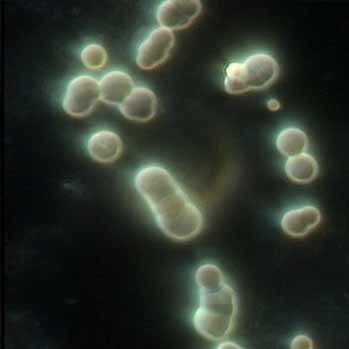
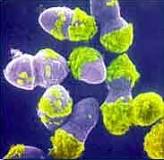
Enterococcus faecium is a Gram-positivealpha-hemolytic or non-hemolytic bacterium in the genus Enterococcus.[1] It can be commensal(innocuous, coexisting organism) in the gastrointestinal tract of humans and animals,[2] but it may also be pathogenic, causing diseases such as neonatal meningitis or endocarditis.

Vancomycin-resistant E. faecium is often referred to as VRE.[3]

Pathogenic properties   

This bacterium has developed multi-drug antibiotic resistance and uses colonization and secreted factors in virulence (enzymes capable of breaking down fibrin, protein and carbohydrates to regulate adherence bacteria to inhibit competitive bacteria). The enterococcal surface protein (Esp) allows the bacteria to aggregate and form biofilms. Additional virulence factors include aggregation substance (AS), cytosolin, and gelantinase. AS allows the microbe to bind to target cells and it facilitates the transfer of genetic material between cells.[4]

Vancomycin-resistant Enterococci (VRE)

Enterococcus faecium has been a leading cause of multi-drug resistant enterococcal infections over Enterococcus faecalis in the United States. Approximately 40% of medical intensive care units reportedly found that the majority, respectively 80% and 90.4%, of device-associated infections (namely, infections due to central lines, urinary drainage catheters, and ventilators) were due to vancomycin- and ampicillin-resistant E. faecium.[5]

See Wikipedia.
$25.00
Get this for FREE with an Annual Frequency Subscription, or log in if you are already a subscriber.

Related services

Annual Frequency Subscription

This subscription was created at the request of experienced researchers who know how to select the right frequencies and run them on their own machines.

0 Reviews

Rosacea Demodex – Version 6.0

Some rosacea is associated with a Demodex infection, a common mite. It affects bodily functions even when there are no observable symptoms.

0 Reviews

Carbapenem-Resistant Klebsiella pneumoniae (CRKP) – Version 3.5

CRKP stands for carbapenem-resistant Klebsiella pneumoniae, which simply means that the bacterium — which is a “gram negative” type bacteria that is related to common organisms found in the gastrointestinal tract like E.

0 Reviews

Gonnorhea – Version 2.1

Research on biofilms during the past two years has surfaced multiple strains of gonnorhea. This infection is widespread and may be latent for decades with serious consequences.

0 Reviews

Zika Virus – Version 2.1

This release has hundreds of updates and many new viruses that are now found along with the Zika virus.

0 Reviews

Ready to take the next step in your health journey?
Contact Frequency Research Foundation today to schedule a consultation and learn more about our services.